Anti-Glare Glasses: What the Coating Actually Does and When You Need It
On a video call, overhead light can bounce off your lenses. At dinner, a bright reflection can land right over the menu text. Anti-glare glasses are worth understanding because they solve that exact kind of visual distraction.
The coating is applied to the lens surface to reduce reflections, helping your lenses look clearer in certain lighting. It does not remove every type of glare or automatically add blue-light filtering, UV protection, or scratch resistance.
This blog will explain what an anti-glare coating does, when it helps, and when another lens feature may be a better fit.
What Are Anti-Glare Glasses?
Anti-glare glasses usually refer to lenses treated with an anti-reflective coating, often called AR coating, that reduces reflections on the lens surface.
When light hits your lenses, some of it reflects off the surface instead of passing through. AR coating reduces those surface reflections, so the lenses look clearer and feel less distracting in reflective lighting.
It is not the same as blue-light protection, UV protection, polarization, scratch resistance, or a prescription change. Those features must be added or chosen separately.
What Anti-Glare Coating Actually Does
Anti-glare coating reduces distracting reflections on your lens surface, so your glasses feel clearer in the lighting you deal with every day.
Reduces Reflections on the Front of the Lens
Overhead lights, desk lamps, headlights, windows, and camera lights can all bounce off the front of your lenses. Anti-glare coating cuts down those bright spots, so less reflection sits between you and the text, screen, face, or object you are trying to see.
Reduces Reflections on the Back of the Lens
Light can also come from behind or beside you and reflect off the inner lens surface. This is especially noticeable outdoors, with sunglasses, or when reading in shifting light. AR coating helps reduce those back-surface reflections, so your view feels less interrupted.
Lets More Usable Light Through
When fewer reflections bounce away from the lens, more usable light passes through. That is why anti-reflection-coated spectacles can feel more transparent, especially in low light, indoor lighting, or rooms with multiple light sources competing for attention.
Improves Contrast and Crispness

Reflections add visual noise. They can make text, screens, labels, menus, and signs look slightly washed out. Anti-glare glasses reduce that interference, so edges can look sharper and reading can feel easier when the light around you keeps changing.
Reduces Night-Driving Distraction
At night, headlights, streetlights, wet roads, and dashboard glow can reflect off your lenses. Anti-glare glasses for night driving can reduce lens-surface reflections from those light sources. They do not remove all road glare, improve poor visibility, or fix vision issues unrelated to the lens itself.
Makes Screen Use Easier on the Eyes
Monitors, tablets, phones, and overhead lights can all create reflections on your lenses. Anti-glare glasses for computer use help reduce those reflections, which can make screen time feel less visually distracting. This is different from blue-light filtering. Unless the lens includes both, AR coating only handles reflections.
Makes Your Eyes Easier to See
Fewer reflections across your lenses means people can see your eyes more clearly. That matters on video calls, in photos, during interviews, and anytime you want your face to come through without a glare patch covering your lenses.
Helps Stronger or Thicker Lenses Look Cleaner
High-index polycarbonate progressive and stronger prescription lenses can show more surface reflections. Anti-reflection coating spectacles reduce that mirror-like effect, helping the lens look cleaner, clearer, and less noticeable on your face.
AR coating handles lens-surface reflections. Polarized lenses reduce reflected outdoor glare from surfaces like water, snow, and roads. UV protection blocks ultraviolet light. Scratch-resistant coatings support durability. None of these replaces the others; they solve different problems.
Because coated lenses look clearer, smudges and scratches can stand out more. Rinse lenses before wiping, use a lens-safe cleaner, and dry them with a microfiber cloth. Avoid dry rubbing, paper towels, heat, and harsh chemicals, since they can wear the coating down over time.


When You Need Anti-Glare Glasses
Anti-glare glasses make the most sense when:
- You drive at night and notice reflections from headlights or streetlights sitting on your lenses.
- You work on screens under overhead lighting or near windows.
- You read often under lamps, kitchen lights, restaurant lighting, or retail environments.
- You use reading glasses regularly for menus, receipts, labels, recipes, books, or phone text.
- You take video calls, teach online, record content, or appear in photos with glasses on.
- You wear stronger prescription lenses, high-index lenses, polycarbonate, progressives, or bifocals.
- You wear sunglasses and get back-surface reflections from light coming from behind you.
- You move between indoor and outdoor light throughout the day.
It may not be the first priority if your main issue is glare from water, snow, or windshields. Polarized sunglasses address that more directly. If your concern is UV protection, blue light, or scratch resistance, those are separate features worth checking for on their own.
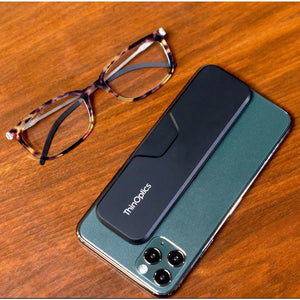
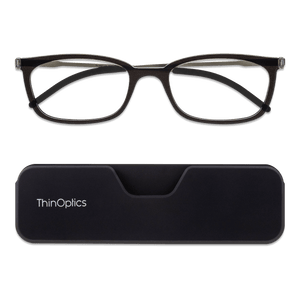
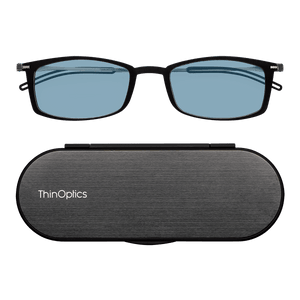
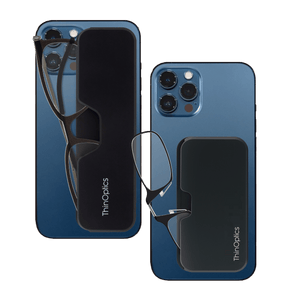
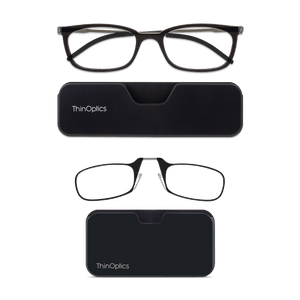
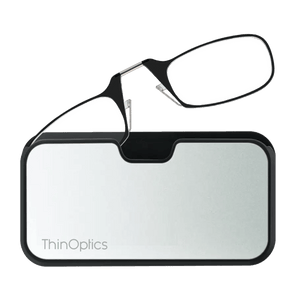
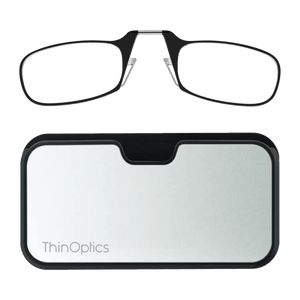
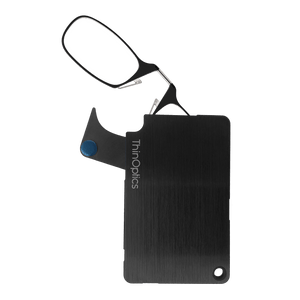
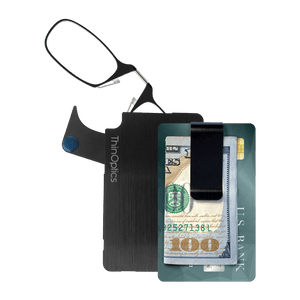
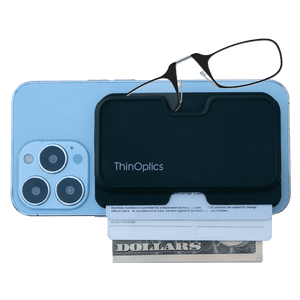
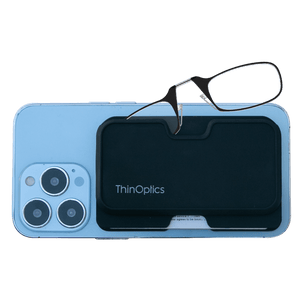
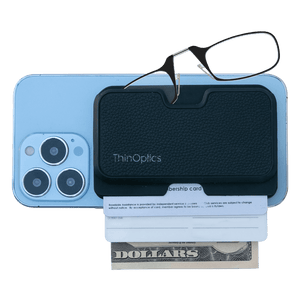
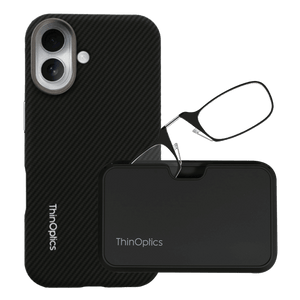
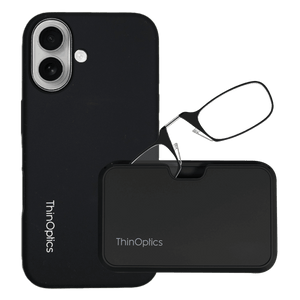
If keeping readers close is the actual problem, ThinOptics' ultra-portable reading glasses and slim carry options help solve that. Check specific product pages to confirm which lens features are included before buying.
FAQs
Are anti-glare and anti-reflective glasses the same?
Usually yes. Both terms describe lenses treated to reduce surface reflections.
Does anti-glare coating block blue light?
No, not unless the lens specifically includes blue-light filtering as a separate feature.
Does anti-glare coating help with night driving?
It can reduce lens reflections from lights, but it does not address every source of driving-related glare.
Is anti-glare coating worth it for reading glasses?
Yes, if you read often under lamps, screens, or shifting light conditions.
Can anti-glare coating wear off?
Yes. Poor cleaning habits, heat, scratches, and harsh chemicals can all damage the coating over time.
Keep Clarity Close With ThinOptics
Anti-glare coating reduces reflections, makes lenses feel more transparent, and helps glasses stay out of the way in the right conditions. Before buying, check the lens details. If you want AR coating, blue-light filtering, polarization, or scratch resistance, confirm which features are actually included in the pair you are considering.
ThinOptics focuses on a different part of the problem: keeping readers with you. Ultra-portable reading glasses and slim carry cases mean your readers are on your phone, keys, or in your pocket when a label, receipt, or screen needs a closer look.
Keep clarity close wherever you read. Explore ThinOptics anti-glare readers and choose the lens details that fit your everyday routine.