UV Protection in Sunglasses: What the Labels Actually Mean
Two pairs can look equally dark and still protect your eyes very differently. That is why the label matters more than the tint.
When shopping, look for UV400, 100% UV protection, or 100% UVA and UVB protection. Those are the signals that the lenses are meant to block ultraviolet rays. If the label only says “fashion sunglasses,” “dark tint,” “mirrored,” or “polarized,” keep checking before you buy.
Dark lenses, mirror finishes, and polarization can change comfort or glare, but they do not automatically mean UV protection. This blog will help you choose UV-protected sunglasses with more confidence.
What Does UV Protection In Sunglasses Mean?
UV protection means the lenses help filter ultraviolet rays from sunlight before they reach your eyes. The key detail is simple: you cannot judge protection by lens color.
Dark lenses may feel more comfortable, but tint does not prove UV filtering. A clear lens can offer UV protection, while a dark lens may offer little or no UV protection.
That is why choosing UV-protected sunglasses comes down to checking the label, not trusting the shade. For real eye protection glasses, look for stated UV protection.
Labels That Matter: UV400, 100% UV, UVA, and UVB
Not every sunglass label means the same thing. Before you buy, look for language that clearly states the level of UV protection.
The strongest labels usually say UV400, 100% UV protection, 99%-100% UVA and UVB protection, or UV absorption up to 400nm. If the product page or tag does not mention one of these, do not assume the lenses are protective.
UV400
UV400 means the lenses are designed to block ultraviolet rays up to 400 nanometers, which covers both UVA and UVB. This is one of the clearest labels to look for when choosing UV-protected sunglasses for everyday wear, driving, walking, or time outdoors.
100% UVA and UVB Protection
This label is also easy to trust because it names both types of UV rays. It tells you the sunglasses are made for protection. Be careful with vague phrases like “UV coated” unless the label specifies the level of protection included.
Cosmetic or Fashion Sunglasses
A dark tint, trendy frame, or designer look does not prove UV protection. Cosmetic sunglasses may reduce brightness, but that does not automatically make them functional eye protection glasses.
Check the tag, packaging, or product page before buying. If the UV details are missing, keep looking.


What UV Protection Is Not
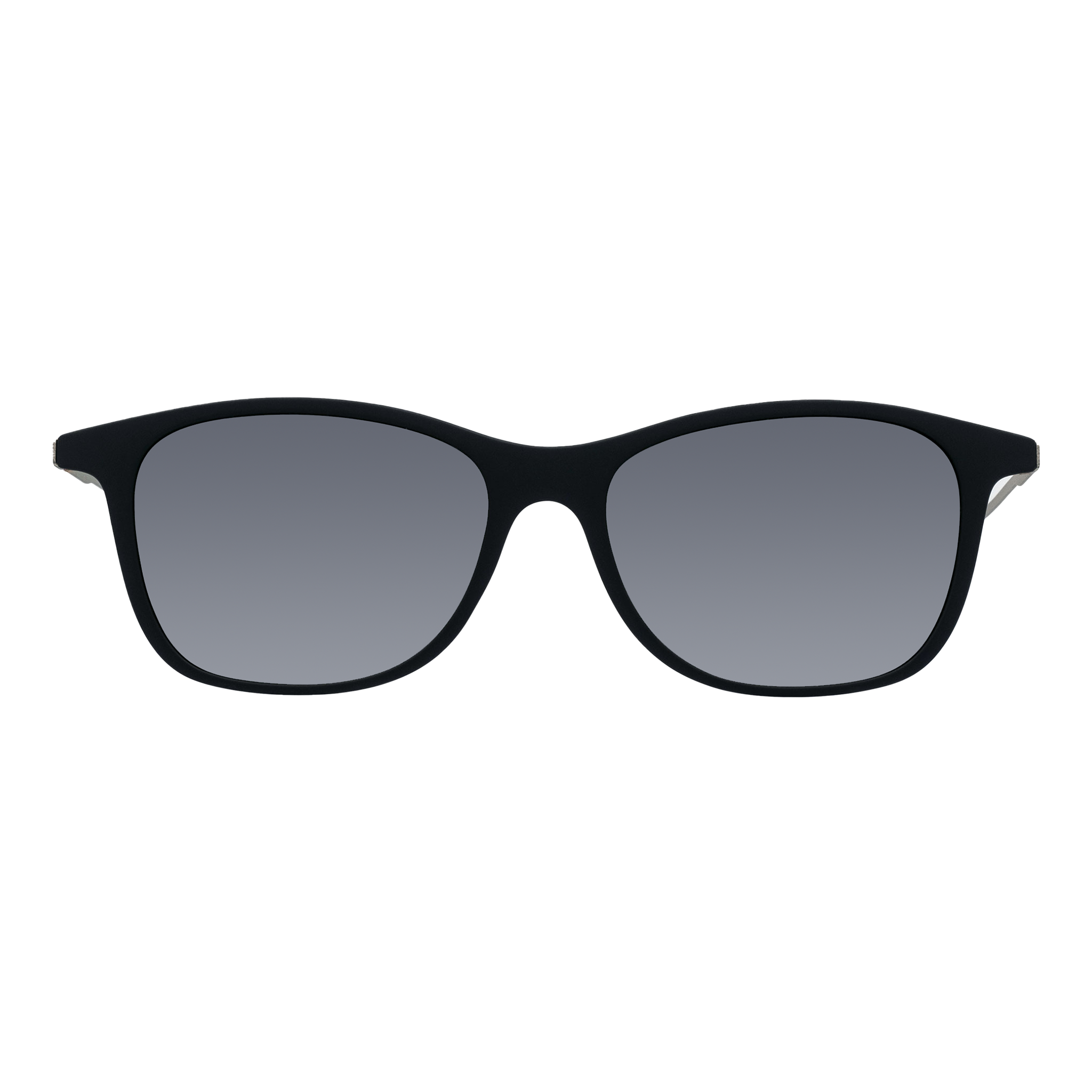
Some lens features make sunglasses more comfortable, but comfort is not the same as UV protection. Before you buy, separate the features that improve how you see from the labels that confirm what the lenses block.
Dark Tint Is Not UV Protection
Dark lenses reduce brightness, making sunny days easier on your eyes. But tint does not confirm UV filtering. A very dark pair without a UV label can still leave you guessing. Start with the protection claim first, then choose the tint that feels best for driving, walking, or everyday wear.
Polarized Is Not UV Protection
Polarized lenses cut glare from roads, water, snow, and shiny surfaces. That can make outdoor vision feel clearer and more comfortable. Still, polarization is not the same as UV protection. If you want UV-protected sunglasses, the pair should clearly state UV400, 100% UV, or UVA/UVB protection.
Mirrored Lenses Are Not UV Protection
Mirrored lenses change how sunglasses look and how they reflect light. They may feel more performance-driven, but the coating alone does not provide UV filtering. Check the product page or tag before treating them as eye protection glasses.
Blue Light Blocking Is Not UV Protection
Blue light glasses are usually made for screens and indoor digital use. UV protection is for sunlight outdoors. If you need outdoor protection, choose sunglasses with a stated UV label.
When UV Protection Matters Most

UV exposure is not just a beach problem. It shows up during ordinary daylight moments, and the easiest protection is the pair you actually remember to wear. Choose eye protection glasses with UV filtering for:
- Driving in bright sunlight
- Walking, commuting, and running errands
- Reading outside
- Beach, pool, lake, and snow days
- High-altitude travel
- Outdoor sports
- Bright cloudy days
- Places with reflected light from water, sand, pavement, or snow
Reflected light matters because it reaches your eyes from multiple directions. That is why coverage, fit, and a clear UV label all matter.
Outdoor Reading
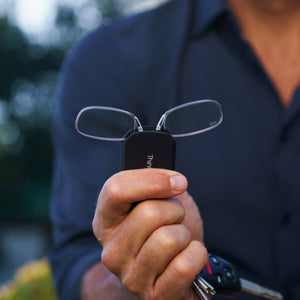
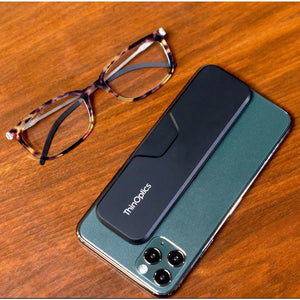
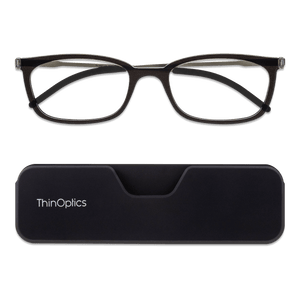
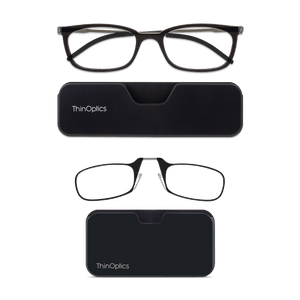
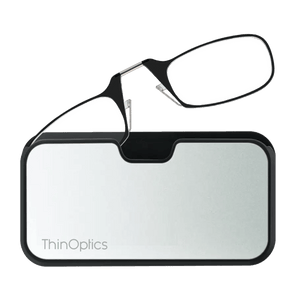
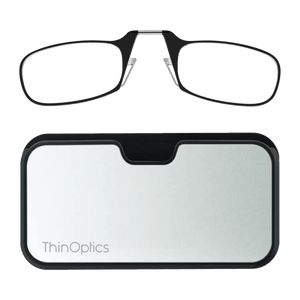
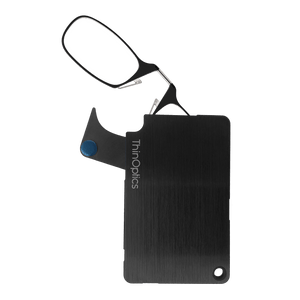
Menus, books, phones, travel documents, and labels are harder to read comfortably in full daylight. Reading sunglasses solve that specific problem by pairing magnification with sun-ready lenses. For ThinOptics reading sunglasses, including Brooklyn and Manhattan styles, confirm the UV details on the specific product page before choosing.
Driving and Travel
Daylight driving creates two separate needs: glare comfort and UV filtering. Polarization can help reduce glare, but the UV label is what confirms protection. A compact pair of UV-protected sunglasses is easier to keep in your car, bag, or travel kit, so you are not caught squinting.
Everyday Errands
Short trips count too. School pickup, gardening, dog walks, lunch breaks, and parking-lot walks all add up. Keep protection close, and wearing it becomes automatic.
How to Tell If Sunglasses Are UV Protected
Use this quick checklist before buying any pair:
- Look for UV400, 100% UV protection, or 100% UVA and UVB
- Check the hangtag, lens sticker, packaging, or product page
- Buy from a trusted eyewear source
- Ask an optician if the label is unclear
- Use a UV meter test at an optical shop if you already own the pair
Watch for red flags:
- No UV label
- Only “dark tint”
- Only “polarized” with no UV claim
- Vague “sun protection” wording
Price is not proof. The label is. For UV-protected sunglasses, clear UV language should be easy to find before you buy.
UV Protection for Prescription, Reading, and Everyday Sunglasses

UV protection is not limited to one style of sunglasses. The right pair depends on what you need them to do during the day:
- Non-Prescription Sunglasses: For everyday daylight when you do not need vision correction.
- Reading Sunglasses: For close-up outdoor tasks like menus, books, labels, receipts, and phone checks.
- Prescription Sunglasses: For distance correction outdoors with UV protection.
- Photochromic Lenses: For moving between indoor and outdoor settings.
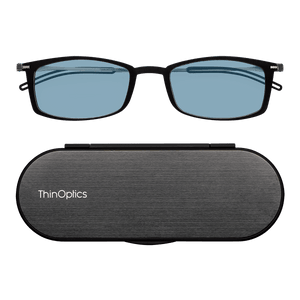
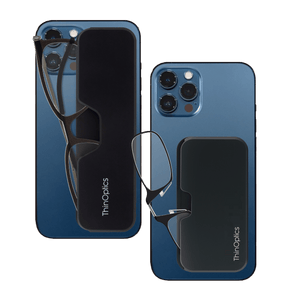
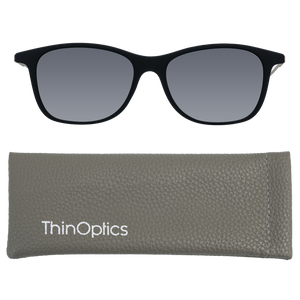
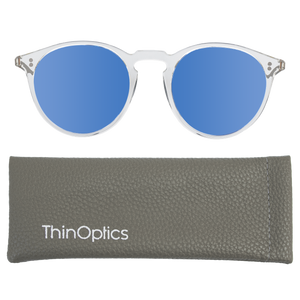
ThinOptics offers options across several of these needs. The Palo Alto Sunglasses feature both styles that block 100% of harmful UV rays, and prescription lenses include 100% UV protection.
Still, check the specific product page before buying, because UV claims apply where they are clearly stated.
Reading Sunglasses
Reading sunglasses are useful when you need magnification and sun-ready lenses at the same time. Choose your strength first, then confirm the UV label.
Prescription Sunglasses
Prescription sunglasses help when you need distance correction outdoors. Treat the UV claim as a must-check feature.
Polarized Sunglasses
Polarized sunglasses help with glare from roads, water, snow, and bright pavement. For true eye protection glasses, confirm UV protection separately before you buy.
FAQs
What does UV400 mean on sunglasses?
UV400 means the lenses are designed to block UVA and UVB rays up to 400 nanometers.
Is UV400 the same as 100% UV protection?
Both usually signal strong UV filtering, but always confirm the exact product claim before buying.
Do polarized sunglasses protect against UV?
Not automatically. Polarization reduces glare; UV protection needs its own clear label.
Do darker sunglasses have better UV protection?
No. Dark tint reduces brightness, but it does not prove UV filtering.
Can reading sunglasses have UV protection?
Yes. Look for UV400, 100% UV, or UVA and UVB protection so your reading sunglasses work as real eye protection glasses outdoors.
Choose Sunglasses That Make the Label Clear
Start with the label. Look for UV400 or 100% UVA and UVB protection first, then choose the tint, polarization, frame coverage, reading strength, or prescription option that fits how you spend time outside. Style matters, but protection should lead the decision.
ThinOptics offers sunglasses for everyday outdoor use, reading sunglasses for close-up tasks outside, and prescription options for outdoor vision needs. Before you choose a pair, check the specific product page for stated UV details. The right UV-protected sunglasses should make that information easy to find before they ever arrive.
Find ThinOptics sunglasses that fit how you actually spend time outside.