Signs You Need Reading Glasses: What to Notice Before Seeing an Optometrist
Your phone seems easier to read a little farther away. The recipe needs a brighter light. Small changes like these can leave you wondering, “Do I need reading glasses?”
Common signs include blurry close-up print, holding things farther away, and tired eyes after reading. They’re useful clues to discuss at an eye exam. In this blog, we’ll explain what to notice, what to tell your optometrist, and how to take the next step toward comfortable reading.
Five Signs You May Need Reading Glasses
Pay attention to changes in familiar activities. A pattern that keeps returning is more useful to mention than one difficult-to-read label.
1. You Hold Your Phone or Book Farther Away
You settle into your usual reading position, then gradually move the page outward until the words sharpen.
Needing more distance to focus on nearby text is a common sign of presbyopia, the gradual change in near focusing that happens with age. Notice whether it happens with several tasks, such as books, messages, and menus.
2. Small Print Looks Blurry at Your Usual Distance
A familiar paperback or recipe may look less clear where you normally hold it. You might start enlarging phone text or zooming in more often.
Those adjustments are helpful, but a new, recurring need for them is worth mentioning at an appointment.
3. You Squint More While Reading
You may narrow your eyes to make out a message or find yourself working harder to read a label.
Squinting can accompany several focusing problems. It’s a reason to check your vision, rather than a way to identify the exact glasses you need.
4. Your Eyes Feel Tired After Close-Up Work
Perhaps you’re taking more breaks during a book or stopping a crossword earlier than usual. Eye strain and headaches after prolonged reading can be clues that your vision needs attention.
Tell your optometrist what you were doing and how soon the discomfort started. Headaches alone don’t confirm that you need readers.
5. You Rely More on Brighter Light
You might move beside a lamp or find restaurant menus harder to read in dim light.
Better lighting can help with early near-vision changes. Notice whether it makes reading easier and whether the difficulty remains in good light.
You don’t need all five signs to book an eye exam. One recurring change that affects your reading is worth discussing.
Why Close-Up Vision Can Change Even When Distance Vision Seems Fine

Inside your eye is a lens that helps you focus. As it becomes less flexible with age, focusing on nearby objects becomes harder. This is called presbyopia, and it commonly becomes noticeable in your 40s.
It can happen even if you’ve never needed glasses before. You can also have presbyopia alongside another vision condition, so the solution depends on your individual eyes.
That’s why an eye exam is more helpful than choosing a strength from an age chart. It checks what has changed and which correction suits you.
Reading Blur Can Have More Than One Cause
The signs you need reading glasses can overlap with other eye concerns.
Dry eye, for example, can cause blurry vision along with burning or a scratchy feeling. Long periods looking at screens may contribute because people can blink less while concentrating.
Other focusing conditions can affect near vision, distance vision, or both. If your existing glasses no longer help as much, your prescription may need checking.
Describe what you notice without trying to name the cause. “My eyes feel gritty after screen work” and “My book looks blurry unless I move it away” give your optometrist different, useful information.
Know Which Changes Need Prompt Attention
Gradual reading difficulty can usually be discussed at a scheduled eye exam. Sudden symptoms need a quicker response.
Seek urgent eye care for new flashes, a sudden increase in floaters, or a dark curtain or shadow across your vision. Sudden loss of vision or severe eye pain needs emergency assessment. Don’t wait for a routine reading-glasses appointment.
Knowing this difference helps you choose the right next step.
Bring These Notes to Your Optometrist
A few everyday examples can make your appointment more useful. There’s no need to keep testing yourself or wait to collect a full list.
|
What to Notice |
An Example to Share |
|---|---|
|
When it started |
“Small print has gradually become harder to read over the last few months.” |
|
Which tasks are affected |
“Books are difficult, but television still looks clear.” |
|
Your working distance |
“My monitor is farther away than my tablet.” |
|
Lighting |
“Reading is easier beside a lamp.” |
|
Other symptoms |
“My eyes also feel dry after screen work.” |
|
Current eyewear |
“These readers help briefly, but I still feel uncomfortable.” |
Bring your current glasses and a list of medicines you take. You can also bring a book or describe the hobbies you want to enjoy comfortably.
While waiting, use comfortable lighting, enlarge text when helpful, and take breaks from prolonged close-up work. These adjustments support comfort without replacing the exam.
What Happens If You Need Readers?
Your optometrist can help identify an appropriate strength and lens type.
Ready-made reading glasses generally use the same power in both lenses. Prescription readers can account for differences between your eyes and astigmatism. Your reading distance and daily tasks matter, too.
Our guide to prescription reading glasses versus off-the-shelf readers explains those options.
Once you know what your eyes need, choosing a comfortable frame and carrying option becomes easier.


FAQs
Do I need reading glasses if I can still see far away?
Possibly; near focusing can change while distance vision remains clear, so an exam can confirm your needs.
Do headaches mean I need readers?
They can accompany focusing problems, but headaches have several causes and don’t confirm a need for glasses.
Can an online reading test replace an eye exam?
No; it may help estimate reading strength, but it doesn’t assess your overall eye health.
Should I buy stronger readers if mine stop helping?
Have your vision checked before increasing the strength, especially if blur or discomfort persists.
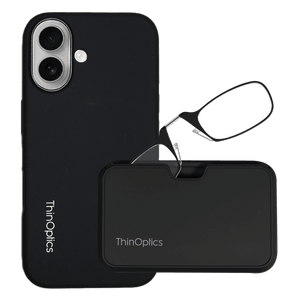
Keep Comfortable Reading Close With ThinOptics

Noticing a change is a useful first step. An eye exam can explain what’s happening and help you choose the right correction. Once you’ve confirmed that ready-made readers suit your needs, you can focus on a pair that fits your routine.
Explore ThinOptics reading glasses for everyday reading at home and on the go.