How to Clean Glasses Without Scratching the Lenses: The Right Way
Smudges tend to show up just when you need to read something. Reaching for your shirt feels harmless, but if dust is sitting on the lens, that quick wipe can drag it across the surface.
Cleaning glasses safely is just as simple. Rinse first, wash gently, then dry with a clean microfiber cloth. In this blog, we’ll show you how to clean glasses at home, what to use when you are away from a sink, and how to care for coated lenses without wearing them down.
What You Need to Clean Glasses Safely
A proper clean does not require a special kit. At home, gather:
- Lukewarm running water
- Clean hands
- A small drop of mild, lotion-free dish soap
- A clean microfiber lens cloth
Keeping these basics nearby makes it easier to clean your readers properly instead of reaching for whatever fabric is closest.
When you are away from a sink, use a cleaner or individually wrapped wipe made for eyewear. Follow the care instructions that came with your glasses first, especially when the lenses have a coating that may require specific products.
How to Clean Glasses Step-by-Step
Clean lenses in the right order. Water removes loose grit before anything touches the surface, which lowers the chance of dragging dust across the lens and leaving fine scratches.
Wash and Dry Your Hands
Wash off any lotion, oil, or dirt before handling your glasses. Otherwise, it goes straight onto the lenses and creates another round of smears.
Dry your hands with a clean towel that does not leave lint behind.
Rinse Away Dust First
Run lukewarm water over both sides of each lens. Let the water carry away loose dust and grit before you begin wiping.
Avoid hot water. Too much heat can affect some coatings and may distort certain frame materials.
Wash the Lenses and Frame Gently
Place a very small drop of mild, lotion-free dish soap on your fingertips. Rub both sides of each lens lightly, then clean the bridge, nose pads, and temples where oil tends to collect.
There is no need to scrub. Heavy pressure will not clean the lenses better and can bend a flexible frame out of shape.
Rinse and Dry Without Scratching
Rinse away every trace of soap, then shake off the excess water.
Let the glasses air-dry when time allows. Otherwise, use a clean microfiber lens cloth and wipe with a light touch.
Check the cloth first. A small piece of trapped grit can undo the care you took in the earlier steps.
How to Clean Glasses When You Are Away From Home
A sink is not always nearby when a lens picks up a smudge. You can still clean your glasses safely, but the surface needs enough moisture to lift dust before the cloth moves across it.
Use enough lens-safe spray to wet both sides of the lenses, then wipe with a clean microfiber cloth. An individually wrapped eyewear wipe also works when it is approved for your lenses.
If the lenses look dusty or gritty, wait until you can rinse them rather than rubbing them dry. Keep your cloth in a clean pouch. Left loose in a pocket or bag, it collects the same grit you are trying to keep off the lenses.
How to Clean Anti-Reflective Coated Lenses
Lens coatings need the same gentle routine, along with products approved for that particular surface. Anti-reflective coatings, also called anti-glare coatings, may have specific care requirements, so check the lens information before choosing a cleaner.
Use only products marked safe for coated or anti-reflective lenses. Wet the surface before wiping so loose particles can lift away.
Leave household glass cleaner, ammonia, acetone, and other unapproved chemicals for other jobs. They can damage the coating and leave the lens permanently cloudy. When your lens provider gives you specific care instructions, follow those first.
Keep Your Microfiber Cloth and Case Clean

A clean lens cloth only stays useful when it is stored properly. Wash microfiber cloths regularly without fabric softener, which can leave behind residue and streaks. Let the cloth dry completely before returning it to its pouch.
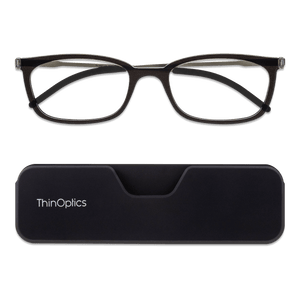
The case matters too. Dust and grit can collect inside, then transfer back onto freshly cleaned glasses. Keep the interior clean and store your readers there whenever you are not wearing them.
When you set the glasses down for a moment, place them with the lenses facing up.
What to Do If the Lenses Are Already Scratched
Cleaning can remove fingerprints and buildup. It cannot remove a scratch once the lens surface has been marked.
Skip toothpaste, buffing compounds, and other home remedies. They may strip a coating or distort the surface, leaving the view worse than before.
When scratches begin to interfere with reading, ask an optician whether the lens should be replaced. A clear replacement is more reliable than trying to polish away permanent damage.


FAQs
Can a microfiber cloth scratch glasses?
A dirty cloth can trap grit, so check that it is clean before use.
Is dish soap safe for glasses?
A tiny amount of mild, lotion-free dish soap is generally suitable when the manufacturer guidance allows it.
Can I clean glasses with alcohol wipes?
Use only wipes approved for your specific lenses and coatings.
Why do my glasses still look cloudy after cleaning?
Soap residue, a dirty cloth, coating damage, or fine scratches may be the cause.
How often should glasses be cleaned?
Clean them whenever dirt affects clarity, using the safe method rather than repeatedly dry-wiping them.
Keep Your Reading Glasses Clear and Ready

The safest routine is easy to remember. Rinse away grit, wash gently, rinse again, then dry with a clean microfiber cloth.
Following the same order each time protects the lenses and keeps your readers ready for daily use. Keeping them in a clean case also means the work is not undone between cleanings.
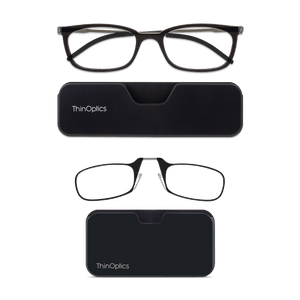
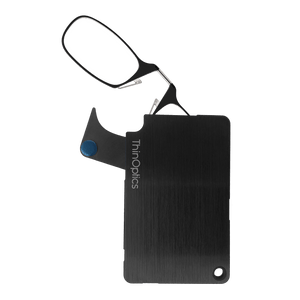
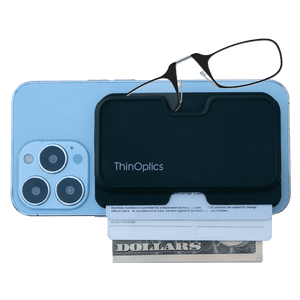
ThinOptics readers are designed to stay close without a bulky case. Keep the lenses clean, store them properly, and they will be ready when you reach for them.
Explore ThinOptics reading glasses and keep clear vision Always With You.