A Complete Guide for First-Time Glasses Wearers

Putting on glasses for the first time can feel like stepping into a sharper, clearer world—but it also comes with questions. What do those numbers on your prescription mean? How do you pick frames that suit you? And how long does it take to adjust? Whether you're new to prescription eyewear or switching from over-the-counter readers, here's everything you need to know to get started with confidence.
Understanding Your Prescription

Your eye doctor may have handed you a slip of paper filled with abbreviations and numbers. In short, these tell you how much correction your eyes need. The main categories are:
-
SPH (Sphere): How nearsighted or farsighted you are.
-
CYL (Cylinder) and Axis: These correct astigmatism, if you have it.
-
ADD: If you’re over 40 and need help seeing up close, this number indicates the strength of your reading glasses or the near-vision portion of your progressive lenses.
Your optician will translate this into lenses that match your needs—whether that’s for distance, reading, or both.
Choosing Your First Pair of Glasses

Style matters—but so does comfort. When selecting frames, start by figuring out your face shape. (If you’re unsure, check out our blog on how to choose glasses that flatter your face.) Then consider bridge fit, temple length, and weight.
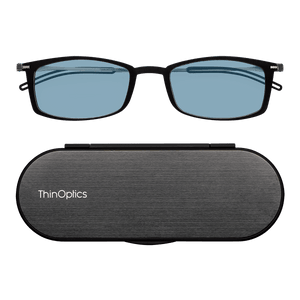
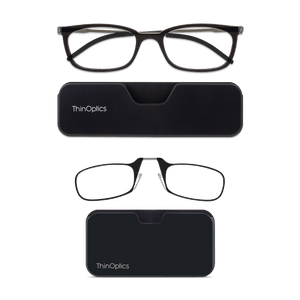
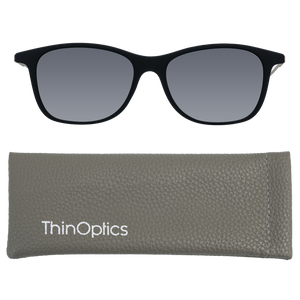
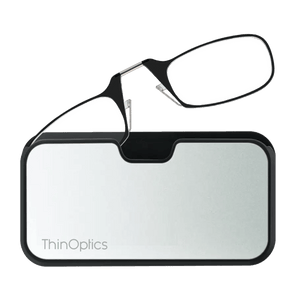
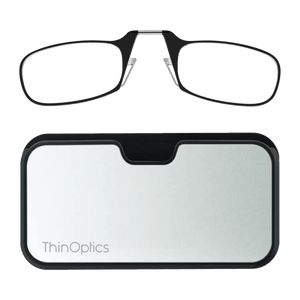
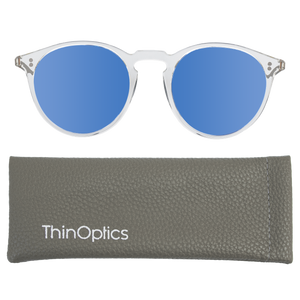
If you want something that’s nearly weightless on the face, try rimless styles like the Wisp or Drift. For a pop of color and structure, Cradle offers a flattering round shape in bold finishes. Looking for versatility? Photochromic lenses are available for both prescription and reading glasses—so your glasses can transition from clear indoors to tinted outdoors.
Adjusting to New Lenses
When you first start wearing glasses, your brain and eyes need time to sync up—especially with new prescriptions or multifocal lenses. You might notice minor distortion or feel off-balance for the first few days. Stick with it. Most people adjust within a week.
If you’re experiencing headaches or ongoing discomfort, check the fit of your frames. Glasses should rest comfortably on your nose and ears without slipping. Nose pads like those on the Glow or Loop frames allow for easy adjustment.
Lenses for Your Lifestyle

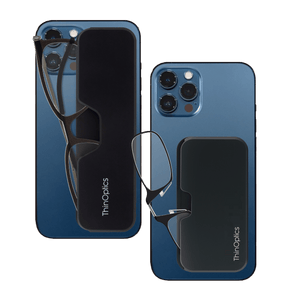
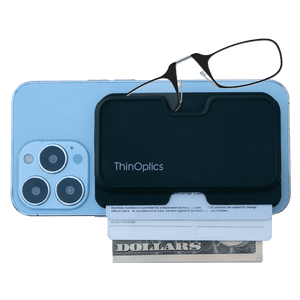
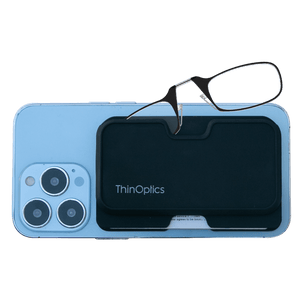
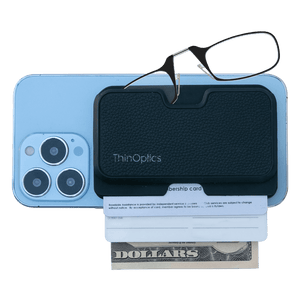
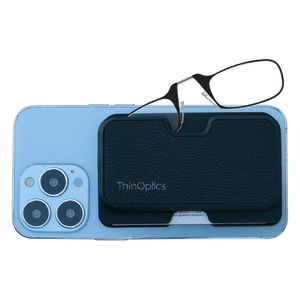
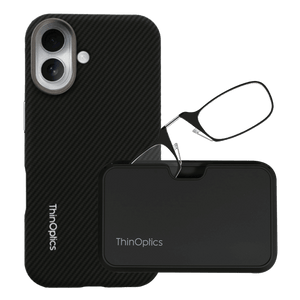
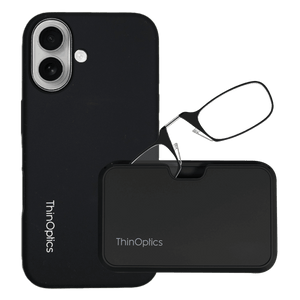
If your days involve frequent screen time, look into blue light reading glasses, which help reduce eye strain. Want something ultra-portable? Our Connect Reading Glasses + MagSafe® Connect Case stay with your phone, so you're never without them.
Your first pair of glasses should do more than just correct your vision—they should fit your face, your life, and your style. Start with the right prescription, choose frames that feel great, and give yourself time to adjust. You’ll be seeing (and feeling) better in no time.