Glasses Nose Pad Problems: Why They Hurt and How to Fix Them
Take your glasses off and look at the marks they leave behind. A faint mark that fades is one thing. A sore spot that returns every day means the fit needs attention.
The fix may be as simple as cleaning the pads or tightening a loose hinge screw. If the frame sits crooked or puts too much weight on the bridge, it needs a different approach. This blog will help you find the cause and start with the safest fix. We will also explain when the frame should go to an optician.
What Your Nose Pad Pain Is Telling You
Take your glasses off after a normal day and check where the discomfort shows up. Look at both sides of your nose for dents, redness, rubbing, or tenderness.
Pain on both sides often points to too much weight or a bridge that does not fit well. When one side hurts more, the frame may be sitting unevenly. Match the mark to the sections below before you tighten or bend anything. The location of the soreness usually tells you which part of the fit needs attention.
Deep Dents or Pinching
Deep marks usually mean the pads are pressing into too small an area. They may sit too close together, rest at the wrong angle, or carry too much weight from a narrow bridge or heavy lenses.
A comfortable frame should settle on your nose without becoming more noticeable as the day goes on. Soreness that returns every time you wear the glasses is not something you need to get used to. The pad position or overall fit needs to change.
Rubbing or Sliding
Pads that move across the skin can cause soreness even when they do not feel tight. Oil, sweat, worn surfaces, or a bridge that does not suit your nose can all let the frame slide.
Do not squeeze the pads inward as a first fix. That may hold the glasses higher, but it also puts more pressure on the bridge. Start by cleaning the pads and checking whether the frame sits straight. If it still moves, have the grip and alignment checked before narrowing the pads.
One-Sided Soreness
When one pad hurts more than the other, the frame is probably not sharing its weight evenly. One pad may sit at a different angle, the frame may be crooked, or one temple may rest higher than the other.
Bending only the painful side can shift the problem instead of correcting it. Repeated adjustments also weaken the pad arm. An optician can level the full frame so both pads rest properly and carry the weight together.
Itching, Rash, or Broken Skin
Itching or redness may come from residue on the pads, repeated rubbing, trapped moisture, or sensitivity to the material.
Clean the pads and your skin, then let both dry before putting the glasses back on. Mild irritation may settle once the buildup is gone.
Recurring rashes, open sores, or skin that continues to break down need professional attention. An optician can help determine whether the cause is pressure, friction, or the pad material itself.
How to Fix Painful Glasses Nose Pads Safely

Start with the simplest fix and change only one thing at a time. Clean the pads first, then check the hinges and the way the frame sits. Tightening your glasses does not mean squeezing the nose pads closer together. That may stop the slipping but leave you with more pressure.
Clean the Pads and Skin
Oil, sweat, and residue change how the pads grip your nose. Once the frame starts moving, the pads can rub the same spots throughout the day.
Clean them with a frame-safe cleaner or mild soap and water. Wash the sides of your nose as well, then let both dry completely before trying the glasses again. Damp pads will not give you an accurate sense of the fit.
For mild slipping or itching, this may be enough.
Tighten Only Loose Hinge Screws
Loose hinge screws can allow the frame to shift or slide more than usual. Tightening them may improve the glasses' position without touching the pads.
Use a precision screwdriver made for eyewear. Turn the screw slowly and stop once it feels secure. If it resists, leave it alone rather than forcing it.
Do not use a knife tip or ordinary pliers. Bridges and pad arms should also be left to an optician.
Have the Pads Repositioned or Replaced
Each pad should rest evenly against your nose. If only one edge makes contact, the frame’s weight is concentrated on a smaller area.
An optician can reposition the pads and level the frame so both sides share the pressure. Pads that have hardened, cracked, flattened, yellowed, or gone missing should usually be replaced.
Depending on the problem, you may need:
- Softer pads for more cushioning
- Larger pads to spread the weight
- A different material if irritation keeps returning
New pads can improve grip and comfort, but they cannot correct a bridge that is the wrong shape or width.
Reduce Weight or Change the Frame Fit
If the soreness returns after cleaning and a proper adjustment, the pads may not be the real problem.
Heavy lenses can place too much weight on the bridge. Short temples may pull the frame backward, while a narrow or poorly shaped bridge can keep the pressure in the same spot.
More pad changes will not solve an unsuitable frame. At that point, a lighter design or a better-matched bridge is the more useful comparison.
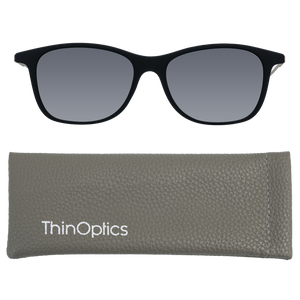
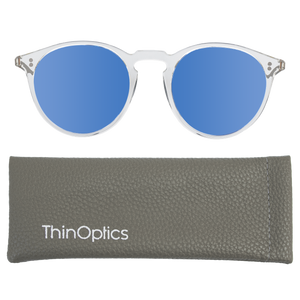
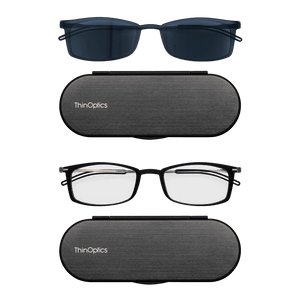
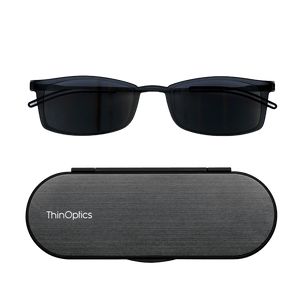
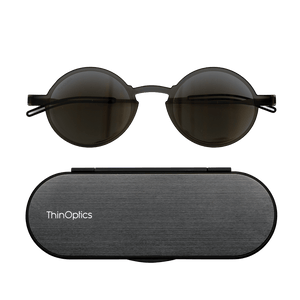
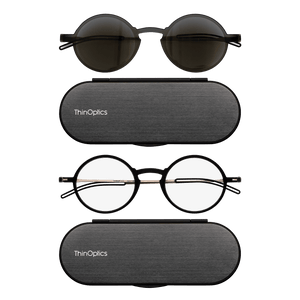
ThinOptics offers lightweight full-frame and bridge-only readers. Our bridge-only readers use grip-sensitive material at the nose contact points. Compare the measurements and fit guidance for the exact style before choosing, since low weight helps most when the frame also suits your face.

What Not to Do When Nose Pads Hurt
It is easy to make a small adjustment when the frame feels uncomfortable. The trouble is that changing one part can shift the pressure somewhere else or move the lenses out of position.
Avoid these quick fixes:
- Do not keep squeezing the pads closer together.
- Do not make large bends in the frame.
- Do not use ordinary pliers on the pad arms.
- Do not glue cracked or damaged pads back together.
- Do not cover recurring sores with more padding.
- Do not stack thick adhesive pads before checking the overall fit.
A temporary fix may stop the frame from slipping, but it can leave the pads pressing harder or place the lenses where they no longer sit correctly. When cleaning and a loose-screw check do not help, let an optician make the adjustment.
When to Get Professional Help
An optician should check the glasses when the pain keeps returning, the frame sits unevenly, a pad is missing, or the slipping comes back after an adjustment. They can look at the whole fit rather than changing one pad in isolation.
Skin symptoms need a different kind of attention. Speak with a healthcare professional about swelling, drainage, a worsening rash, broken skin, a painful lump, or a mark that does not heal.
Do not keep wearing the frame over an open or lingering sore. Continued pressure and rubbing can make the area harder to settle.
FAQs
Are nose-pad marks normal?
Light temporary marks can happen, but painful, deep, or lasting dents suggest a poor fit.
Should I move the pads closer to stop slipping?
Not automatically. Moving them closer often increases pressure and pinching.
Can I tighten my glasses myself?
You can carefully tighten loose hinge screws, but an optician should bend the frame or pad arms.
Do silicone nose pads stop pain?
They can improve cushioning and grip, but they cannot correct an unsuitable frame fit.
Why does only one nose pad hurt?
The frame may be crooked, the pad angle may be off, or the temples may sit unevenly.
Keep Comfortable Reading Eyewear Close
When glasses nose pads hurt, start by finding the source of the pressure. Clean the contact points, secure any loose hinge screws, and have the frame aligned before adding pads or bending anything.
If the discomfort continues, the frame may be too heavy, or the bridge may not suit your nose. An optician can help you tell the difference.
For readers that feel heavy during short everyday tasks, ThinOptics offers slim, lightweight styles made for portable use. They are another fit option to compare, not a treatment for soreness. Check the dimensions and fit guidance for the style you are considering, then choose the pair that rests comfortably and stays close when you need it.
Explore ThinOptics readers and find a portable fit for everyday reading.