Blue Light Reading Glasses: What They Help With and What They Don't
You pick up your phone to check a text, read an article, or pull up a boarding pass. A few minutes later, your eyes feel tired, the screen feels too bright, and the words blur just enough to bother you.
So, would blue light glasses help? They might. They reduce exposure to some blue light and make screen time feel easier for some people. But they are not a cure-all for eye strain or vision issues. In this blog, we’ll cover what blue light reading glasses do, what they don’t, and how to use them wisely.
What Blue Light Glasses Actually Do
Blue light is part of the visible light spectrum, and sunlight is the biggest source. Your phone, tablet, laptop, and monitor just add more of it during the hours you spend looking at screens.
Blue light glasses are made with lenses that filter some of those blue light wavelengths before they reach your eyes. The key word here is “some.” They do not block every bit of blue light, and they do not turn screens into a problem-free zone.
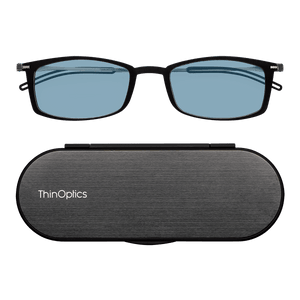
How much blue light they filter depends on the lens design, tint, and style. Clear and tinted lenses can feel different, too. Think of blue-light glasses as one screen-comfort tool, not as total protection from digital strain.
How Blue Light Readers Are Different from Regular Readers
Regular readers help with close-up text. They make small words easier to see when your near vision starts changing.
Blue light readers do that too, but they add one more layer. They combine reading magnification with lenses designed to filter some blue light from screens. So if you are reading texts, checking email, reviewing a document, scanning a digital menu, or looking at travel details on your phone, both parts are working simultaneously.
What Blue Light Glasses May Help With

The benefits of blue light glasses are not the same for everyone. Some people notice their screen time feels easier. Others may not feel a major change. The best way to think about them is as one helpful part of a screen comfort routine.
Filter Some Blue Light from Screens
Blue light glasses are designed to filter a portion of blue wavelengths from phones, tablets, computers, and other digital screens. That means less of that light reaches your eyes while you scroll, work, read, or check messages.
They do not block all blue light, and they do not replace better screen habits. You still want breaks, comfortable lighting, the right text size, and the correct reading strength. But if screens are part of your day, filtering some blue light can be a useful layer of support.
Support a Better Evening Screen Routine
If you use your phone or laptop at night, blue light glasses may help you build a more intentional wind-down routine. The goal is not to make late-night scrolling healthy, but to reduce one source of exposure while you also make smarter choices around screen use.
Try pairing them with simple habits: lower your brightness, turn on night mode, avoid holding your phone too close, and step away from screens before bed when you can. Blue light glasses do not guarantee better sleep, but they can make your evening screen routine feel more controlled.
Make Small Screen Text Easier to Read
For many people, the bigger issue is not just blue light. It is blurry, tiny text.
Texts, emails, recipes, labels, boarding passes, and articles can all feel harder to read when your near vision starts changing. That is where blue light reading glasses can be especially useful. The magnification helps make close-up text clearer, while the blue light filtering adds another layer of screen comfort.
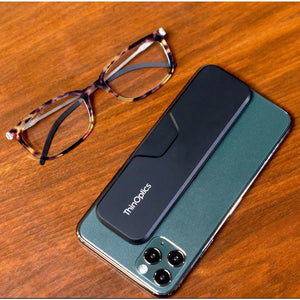
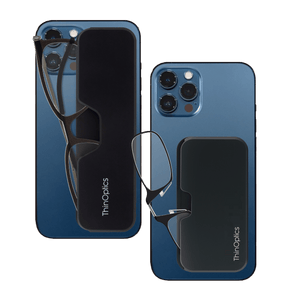
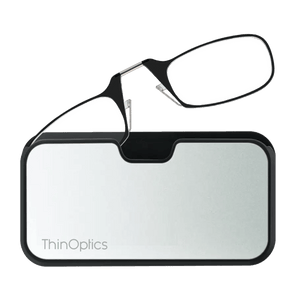
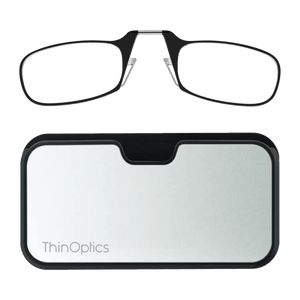
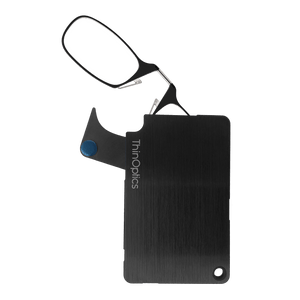
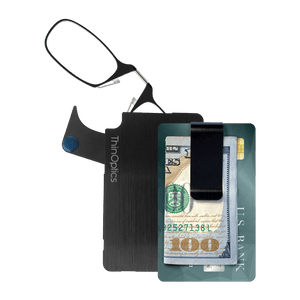
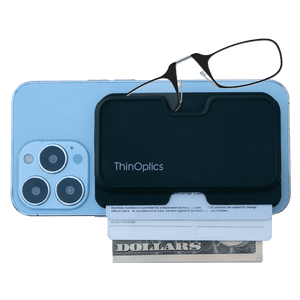
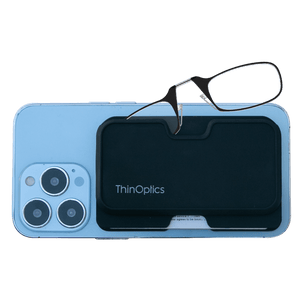
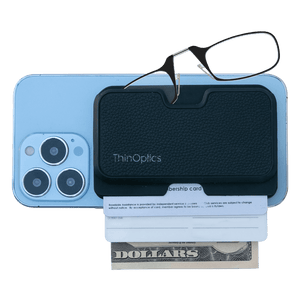
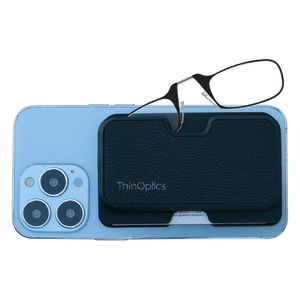
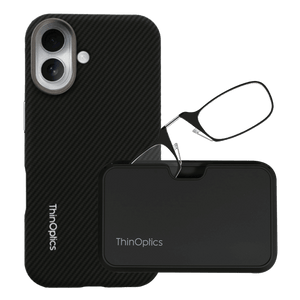
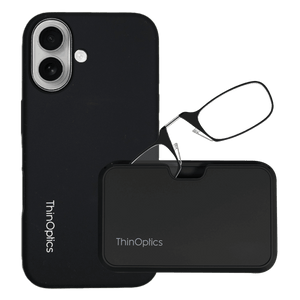
This is also where convenience matters. ThinOptics blue light readers are designed for everyday screen time, with slim cases that attach to your phone or fit easily in a pocket or bag. So when you reach for your device, your readers are close too.


What Blue Light Glasses Don't Replace
Blue light glasses are not a medical treatment. They will not prevent eye disease, fix dry eyes, eliminate headaches, or guarantee better sleep.
Digital eye strain has many causes: extended close-up work, reduced blinking, dry air, glare, poor lighting, poor posture, or outdated vision correction. Blue light is one factor among several.
Wearing blue light glasses while ignoring everything else will not solve the problem. They can still be useful, but they work best alongside other adjustments.
How to Choose Blue Light Readers You Will Actually Use
Picking the right pair of blue light-blocking reading glasses comes down to a few practical factors:
- Correct Strength: Start with +0.00 if you do not need magnification. If you do, +1.00 or +1.50 are common starting points, with stronger options for people who need more help.
- Lightweight Feel: Heavy frames get left at home. Lighter frames get used.
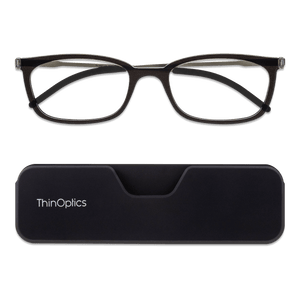
- Portable Case: A slim case that attaches to your phone or fits in your pocket or bag keeps readers accessible throughout the day.
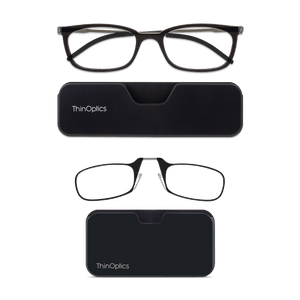
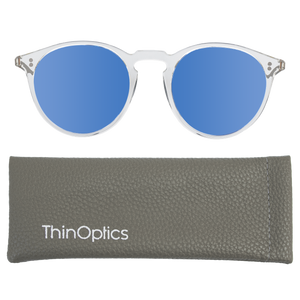
- Frame Comfort: Full-frame styles like Brooklyn and Manhattan give you a more traditional frame feel for screen-heavy moments.
ThinOptics offers blue light blocker options in +0.00, +1.00, +1.50, +2.00, and +2.50, with portable case formats that can fit into your day without adding bulk. That makes screen comfort easier to turn into a habit.
When to See an Eye Care Professional
If screen discomfort persists, gets worse, or comes with pain, sudden vision changes, strong light sensitivity, or frequent headaches, see an eye care professional.
Readers and screen habits can support everyday comfort, but they do not replace a proper exam. An optometrist can determine whether your symptoms stem from uncorrected vision, dry eye, or another condition that requires direct attention.
FAQs
Can blue light glasses help with sleep?
They may support some evening screen users, but reducing nighttime screen use and dimming brightness matters too.
Are blue light reading glasses different from regular readers?
Yes. They combine reading magnification with lenses designed to filter some blue light from screens.
What else helps digital eye strain?
Breaks, blinking, better lighting, larger text, the correct reading strength, and updated eye exams all help.
Can I wear blue light glasses all day?
Many people do. Comfort, lens tint, and personal preference should guide how long you wear them.
Keep Screen Clarity Close With ThinOptics

Blue light glasses are not a magic fix. Paired with the right reading strength and smarter screen habits, though, they can make daily screen time feel more comfortable for many people.
The key is choosing a pair you will actually have with you when you need them. If screen time is part of your day, make it easier for your readers to stay close.
Explore ThinOptics Blue Light Readers Collection and choose a strength and case style that fits how you actually use your phone, tablet, or laptop.