How Glasses Should Fit: The Complete Guide to Comfort, Style & Stability
How Should Your Glasses Fit? A Guide to Effortless Style and Comfort

Adjusting your glasses all day? That’s your face politely saying, “These don’t fit.” Here’s the fast, practical guide to a comfortable, stable fit—without the bulk of conventional readers.
What determines a comfortable glasses fit?
Frame width: Frames should align with the edges of your face—no overhang, no squeeze. If they’re too wide, you’ll chase the optical center; too tight, you’ll see red marks.
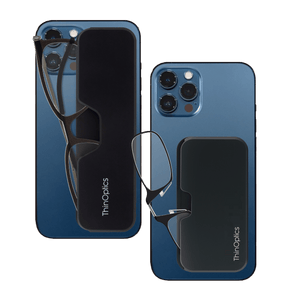
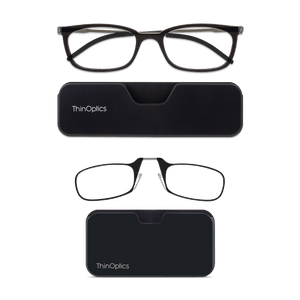
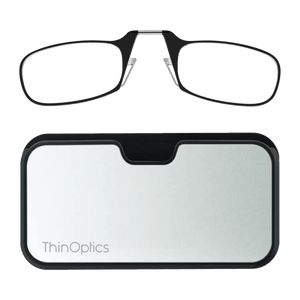
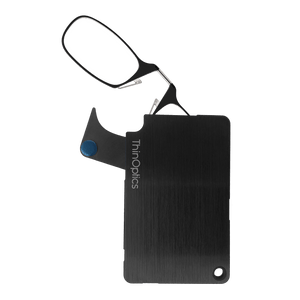
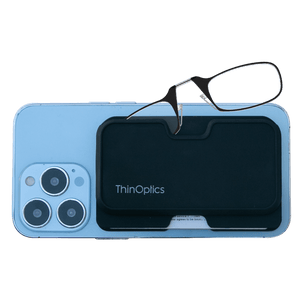
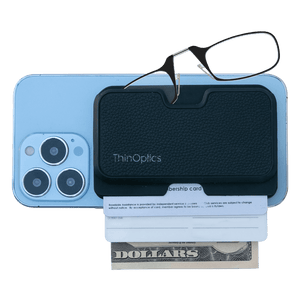
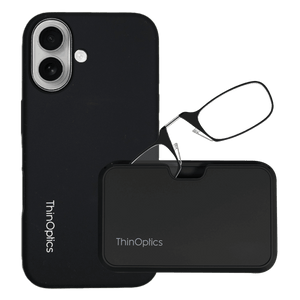
Bridge positioning: The bridge should rest evenly without pinching or slipping. Pince-nez readers (like ThinOptics) lightly grip the bridge for a secure, minimalist fit.
Temple length & balance: Proper length means the bend lands just behind the ear with even weight across nose and ears. If you’re constantly nudging, the balance is off.
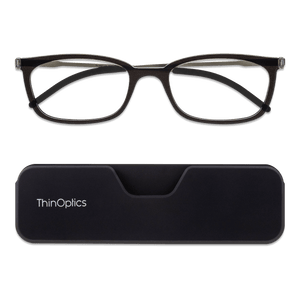
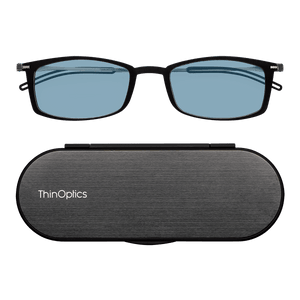
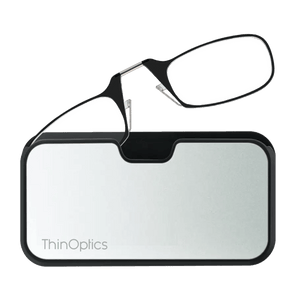
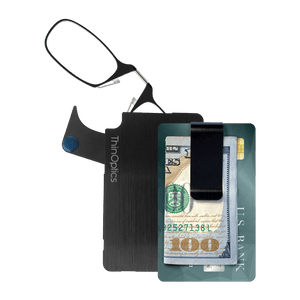
Explore ultra-slim, always-with-you options: Pince-nez Readers · Full-Frame Readers · Readers + Silver Keychain Case
How should lenses align with my pupils?
The optical center of each lens should line up with your pupils horizontally and vertically. Misalignment can cause blur, eye strain, or headaches. Keep lenses level; if one sits higher, adjust the bridge/temples until pupils sit near center.
How should glasses fit across eyebrows and cheeks?
Eyebrows should be visible above the top rim; frames shouldn’t ride into your cheeks when you smile. If they do, the frame may be too tall or the fit too low on your nose.
What nose fit feels right for different bridge types?
Low bridge / flatter nose: Look for stable contact and a wider grip area. Pince-nez pads that flex can help stability without weight.
High bridge: Aim for even contact on the bridge—not just the pad edges. If slipping occurs, reduce skin oils and consider a slight pad angle tweak.
See how flexible bridges stay put.
How should temple arms fit behind the ears?
Temples should rest lightly with the bend starting just past the ear. No pinching, no gaps. If they press, headaches follow; if they float, slippage follows.
What indicates tightness or looseness in frames?
- Too tight: Red marks on nose/temples, headaches, pressure lines.
- Too loose: Slips when you look down, tilts when you move, uneven horizon line.
- Just right: Stays put through nods and smiles, no pressure zones.
What small fit problems can I fix at home?
- Minor slippage: Clean nose/bridge contact points; micro-adjust the bridge angle for better grip.
- Uneven tilt: Gently adjust one side of the bridge or temple angle to level the lenses.
Note: Make small changes; test after each tweak. If discomfort persists, consult an optician.
When should I replace or re-measure my frames?
- Frequent slipping despite clean contact points and tweaks
- New headaches/eye strain after prescription or screen-time changes
- Visible wear on pads/bridge or warping after heat exposure
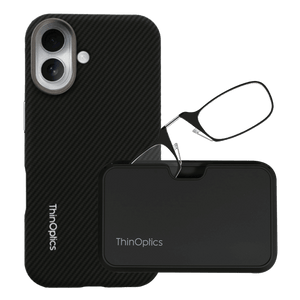
Ready for a refresh? Try the pocket-proof carry: Readers + Black Keychain Case.
Quick Fit Tips (at-a-glance)
- Check width: Frame edges align with face edges—no flare.
Helpful support reads: What Are Frame Dimensions? · Will ThinOptics Fit My Nose?
Your Face Fit FAQ
Do readers slide if my nose bridge is low?
They can. Look for wider bridge contact, grippy pads, or pince-nez styles that lightly pinch for stability.
Will readers pinch my nose if the frame is too wide?
Width mismatch often shifts weight to small pad areas, causing pinch. Match frame width to face and adjust the bridge angle.
How can I adjust temple arms without damaging frames?
Make tiny changes. Adjust the bend a few millimeters at the ear and re-test. Stop if you feel resistance and see a pro.
What strength lenses help if frames slip forward?
Strength won’t fix slippage. First solve fit (bridge/temples). Then confirm your reading power with a diopter chart.
What makes ultra-slim readers fit differently than typical readers?
Less weight and flexible bridges reduce pressure spots and slipping, especially for on-the-go wear.
How do I know if my lenses are centered on my pupils?
In a mirror, the lens “bullseye” should sit at your pupils with the frame level. If not, adjust bridge/temples.
When should I see a pro instead of DIY?
If you feel persistent pain, have big alignment issues, or your adjustments don’t hold, book a quick fit check.
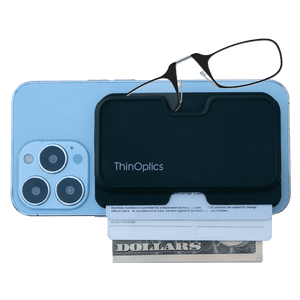
The takeaway: Comfort is the non-negotiable. When frames align with your face and pupils, everything feels easy—and looks better. Want pocket-proof carry that’s always with you? Try Readers + Black Universal Pod.