Blue Light Filter Glasses vs. Blue Light Blocking Glasses: Is There a Real Difference?
You search for screen glasses and immediately run into two different terms: "blue light filter glasses" and "blue light blocking glasses." They sound related but not identical, and the product pages do not make it easier.
Yes, there can be a difference, but the label alone does not prove anything. "Blue light blocking glasses" and "blue light blocker glasses" mean the same thing in everyday shopping language.
The more useful comparison is filter versus blocking, where filter usually suggests partial reduction and blocking usually suggests stronger reduction. The lens data is what actually settles it.
By the end of this blog, you will know what each term means, what claims to question, and how to choose a pair that fits your actual screen routine.
Filter vs. Blocking Comes Down to How Much Light the Lens Reduces
Blue light filter glasses are generally designed to reduce some blue-violet light, while blue light blocking glasses are usually marketed as reducing more of it, often with a stronger tint. But the wording alone does not guarantee how much blue light the lens actually reduces.
That is where shoppers can get misled. A product name may sound precise, but there is no simple consumer-facing rule that says “filter” always means one percentage and “blocking” always means another.
Before you decide, look past the label and check the specs:
- Wavelength range covered
- Percentage of blue light filtered
- Lens tint color
- Whether the claim is backed by testing
- Whether the lens includes reading magnification
This matters because two pairs can use similar language but perform differently. The product label starts the conversation. The lens specs answer it.
What Blue Light Filter Glasses Usually Means
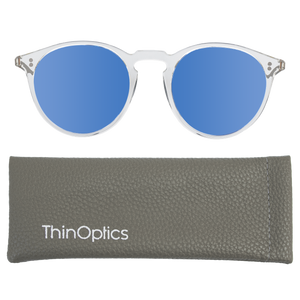
Blue-light filter glasses block a portion of blue-violet light. They are often clear or very lightly tinted, making them practical for daytime screen use, laptop reading, phone scrolling, work video calls, and tasks where accurate color is important.
The evidence behind blue-light filtering lenses is still limited. Optical and medical sources have not reached a strong consensus on whether filtering lenses meaningfully change how eyes feel after screen time.
What we can say is that some people prefer the visual quality of a filtered lens, and that preference is a reasonable reason to try one.
What Blue Light Blocking Glasses Usually Means
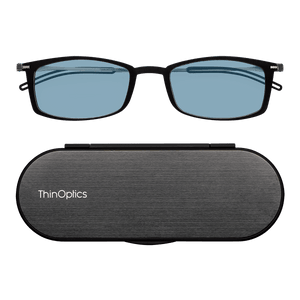
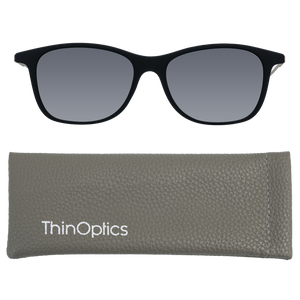
"Blocking" is stronger marketing language, but it does not mean 100% of blue light is stopped. Blue-light-blocking glasses tend to have a more visible tint, often yellow, amber, or orange, which signals they block a wider range of short-wavelength light.
A stronger tint may reduce more blue light, but it also changes how colors look on screen. If you are editing photos, comparing product colors, or reading charts, that shift matters. "Blue light blocker glasses" is not a separate product category, just another phrase for the same concept.
Never assume "blocking" is stronger unless the product page gives you clear, tested specs.
Specs That Actually Matter More Than the Name

Two products can use nearly identical wording and perform very differently. Before buying any blue light blocking glasses, check these specifics:
- What percentage of blue light does the lens reduce?
- What wavelength range does the lens cover?
- Are the lenses clear, yellow, amber, or orange?
- Are they prescription, non-prescription, or readers?
- Do they include a magnification strength?
- Is there lab-tested data behind the claim?
A product that answers all of these questions clearly is worth more attention than one that only uses confident-sounding language on the label.
What Blue Light Glasses Can and Cannot Promise
Blue light filter glasses can reduce some blue-violet light depending on the lens. Some people find tinted or filtered lenses more comfortable for extended screen sessions, and they may fit well as part of a broader screen setup that includes good lighting, regular breaks, and correct text size.
What they cannot do:
- Cure digital eye strain
- Prevent screen-related eye damage
- Guarantee better sleep for every person
- Replace an eye exam
- Correct a prescription
- Substitute for healthy screen habits
If you are experiencing headaches, blurred vision, or persistent discomfort, a proper eye exam is the right starting point.
How to Choose Without Falling for Overclaims
Once you understand the terms, the choice gets more practical:
- Choose blue-light filter glasses for daytime screen work to improve color accuracy.
- Choose blue-light-blocking glasses if reducing evening light matters more than accurate color perception.
- Choose blue light readers if your main screen problem is small text.
- Avoid heavy amber or orange lenses for color-sensitive tasks like design, photo editing, or product comparison.
Choose a pair you can actually keep nearby. Glasses left in a drawer do not help.
When ThinOptics Readers Are the More Practical Screen Choice
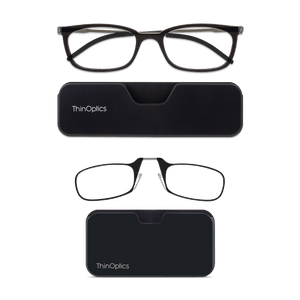
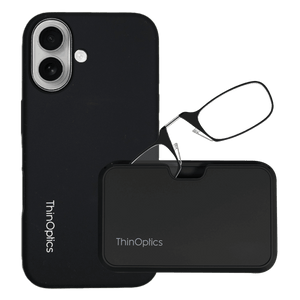
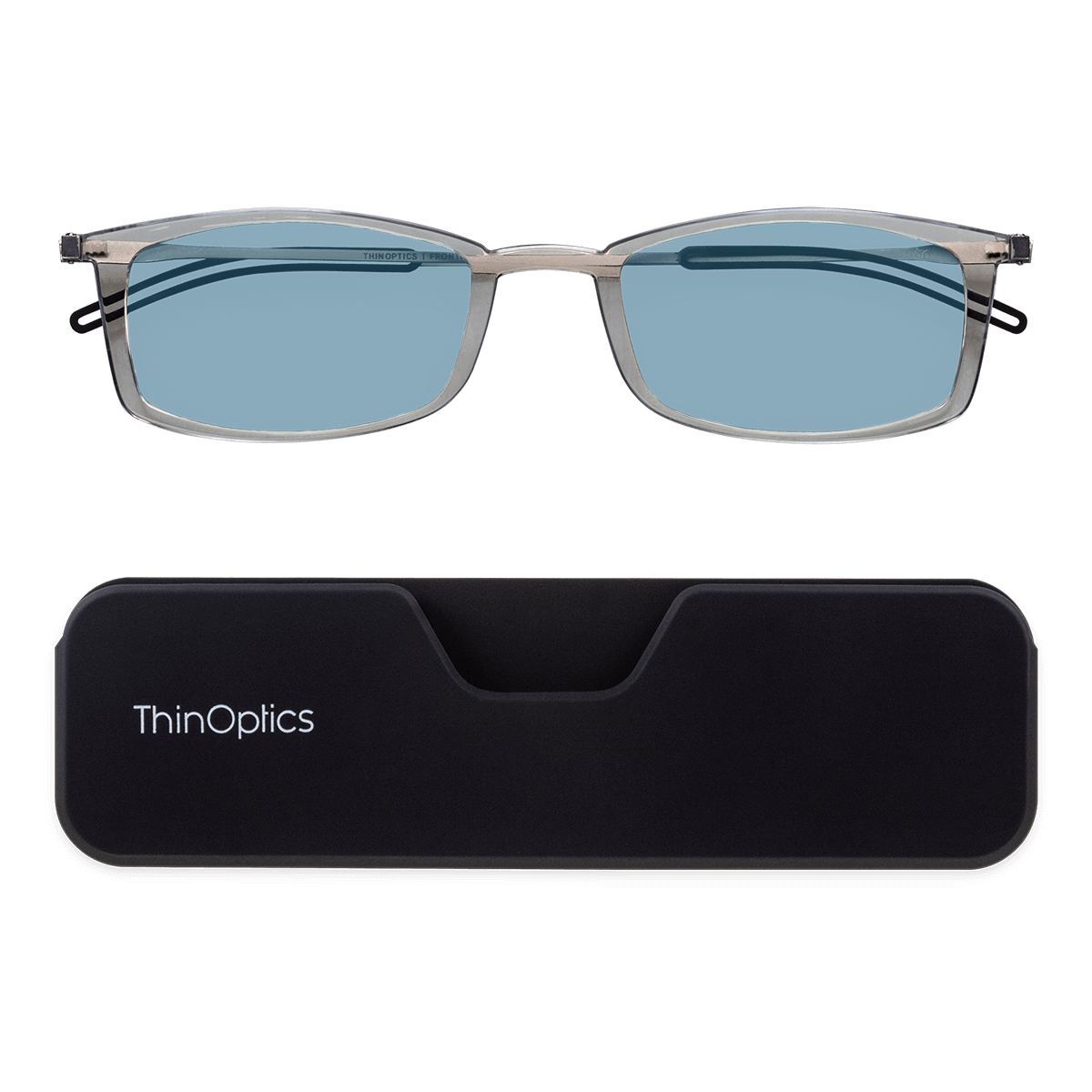
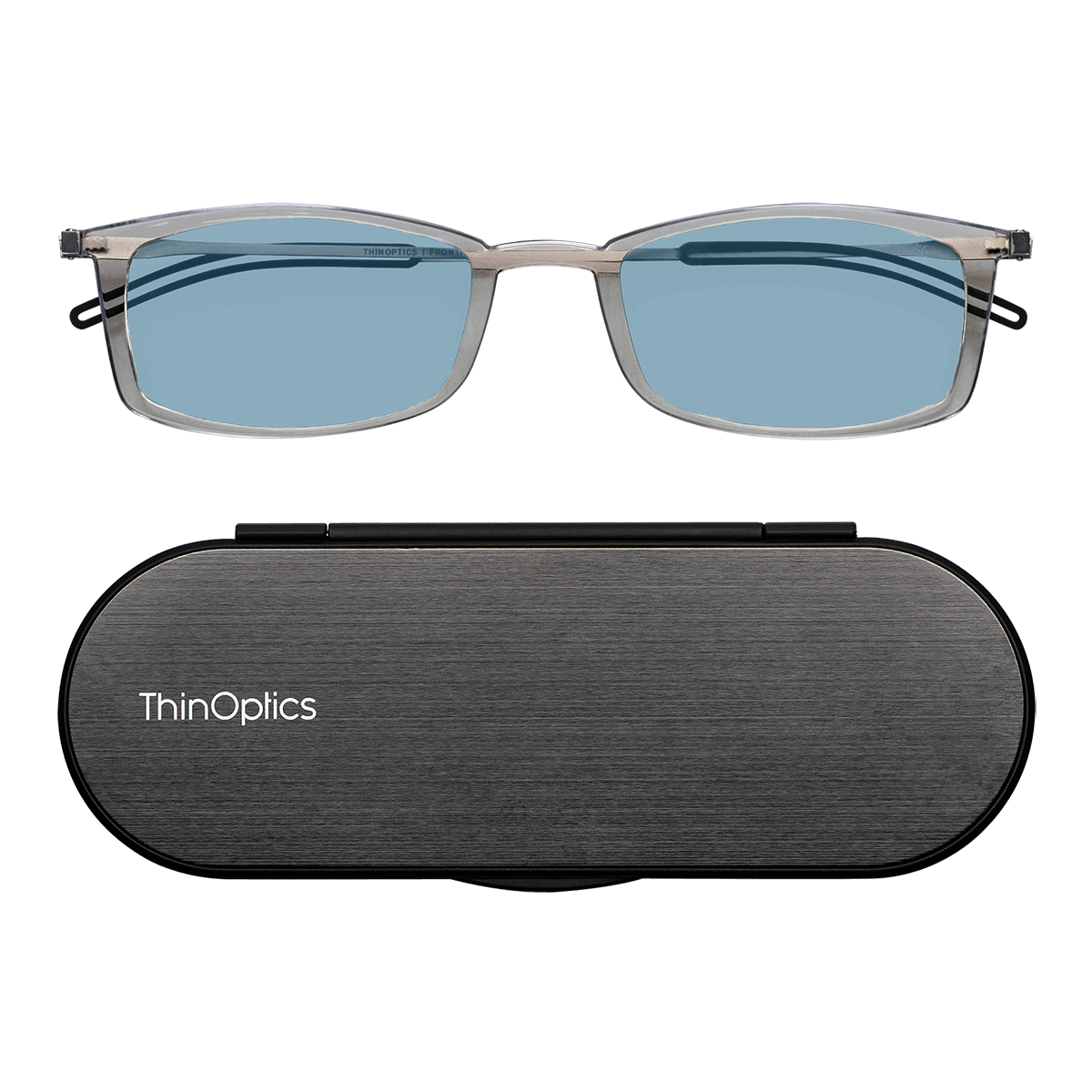
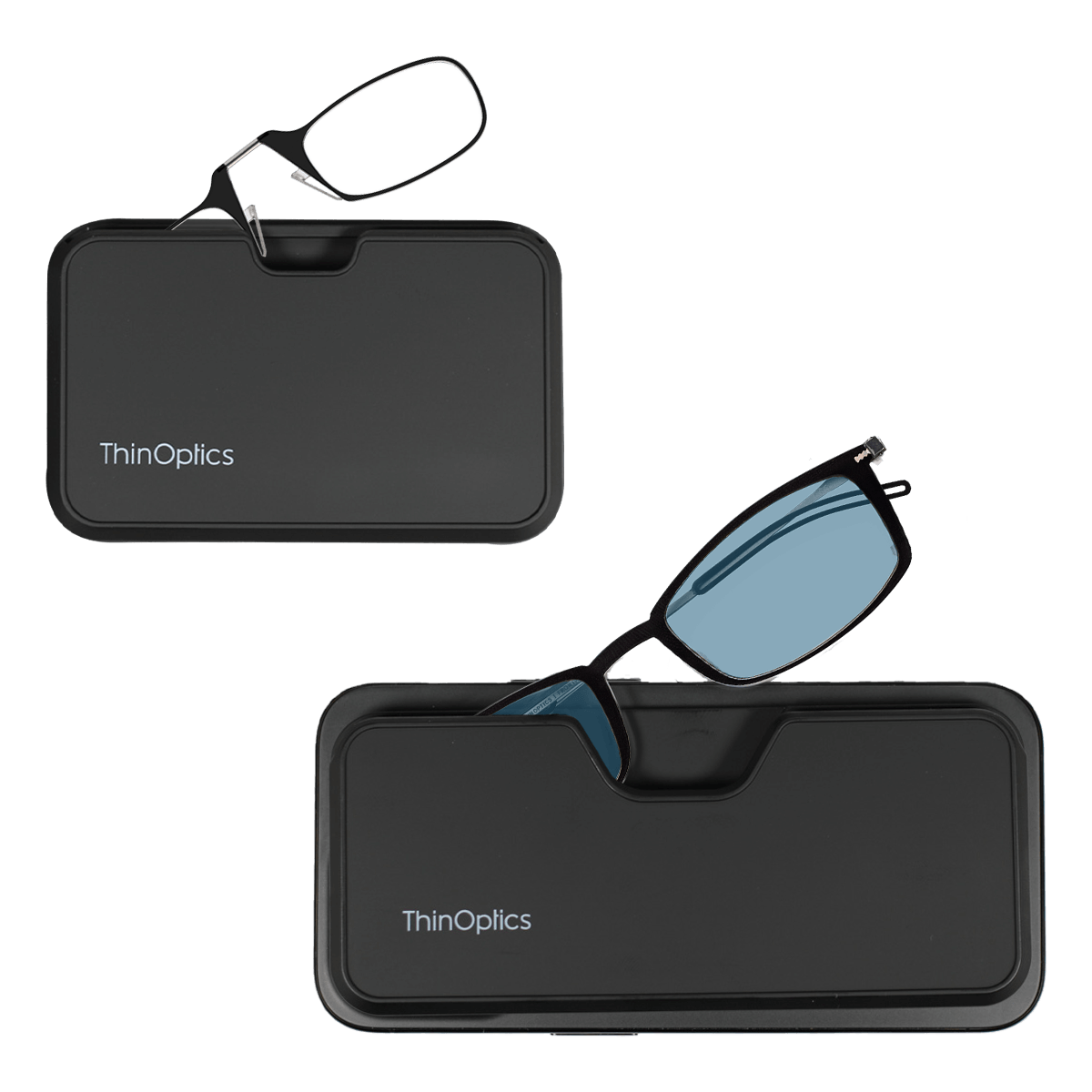
If your screen struggle is partly due to small text and partly to convenience, ThinOptics blue-light readers may be a practical place to start when comparing options.
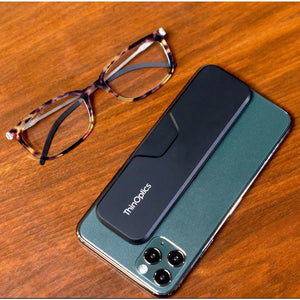
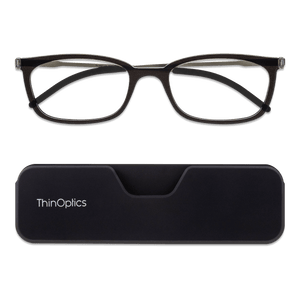
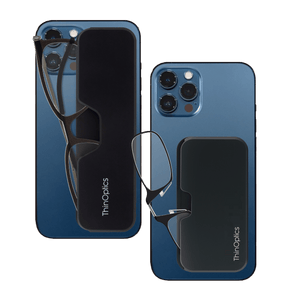
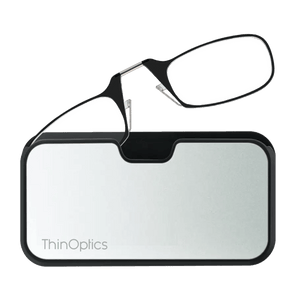
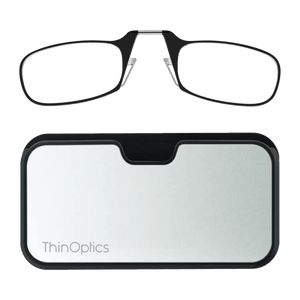
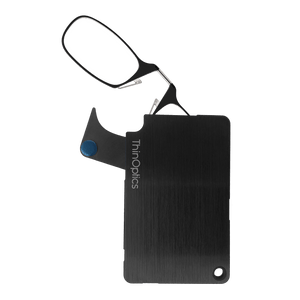
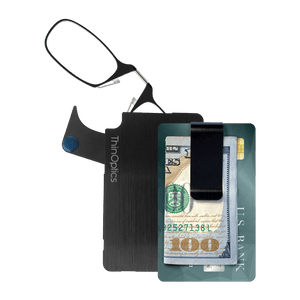
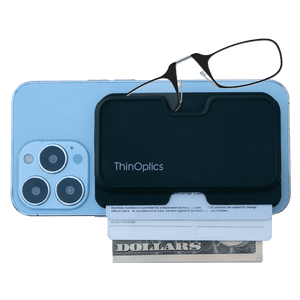
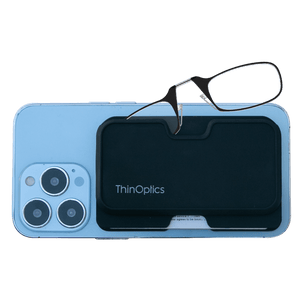
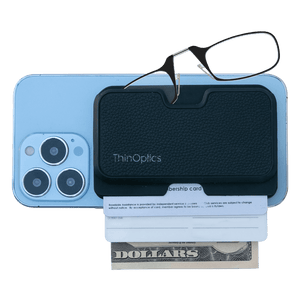
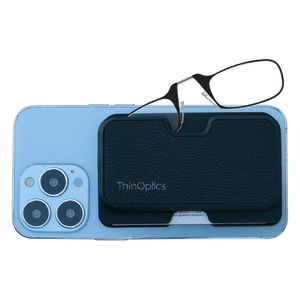
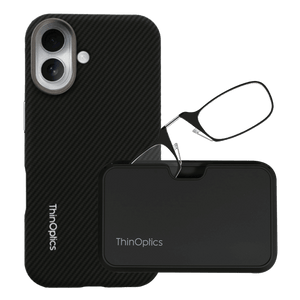
We make portable blue-light readers with slim carry systems designed to stay close to the things you already carry, so the glasses are actually there when a screen or a label needs reading.
These are not a medical fix. They are readers with blue-light-filtering lenses, built for people who need magnification and want one less thing to leave behind.
FAQs
Are blue light blocking glasses and blue light blocker glasses the same?
Yes. They describe the same concept in normal shopping language.
Are blue light filter glasses different from blue light blocking glasses?
Usually, filter suggests a partial reduction, while blocking suggests a stronger reduction, but the actual difference depends on the lens specs.
Do blue light glasses help with digital eye strain?
They are not a guaranteed fix. Screen habits, blinking, lighting, text size, and prescription accuracy often matter more.
Are clear blue light glasses weaker than amber lenses?
Often, yes. Clear lenses tend to be less aggressive and preserve color better, while amber lenses may reduce more blue light but shift how colors appear.
What should I check before buying blue light glasses?
Check the wavelength range, filtering percentage, tint, reading strength if needed, testing details, and whether the pair fits your daily routine.
Keep Screen Readers Close With ThinOptics

The label is a starting point. Choose by use case, lens specs, reading strength, and whether you will actually have the glasses with you when you need them.
ThinOptics offers portable blue-light-blocking readers for people who want reading help and everyday convenience in one pair.
Explore ThinOptics Blue Light Blocker Glasses and keep clarity close for the screens, labels, and small text you reach for every day.