Can You Wear Blue Light Glasses All Day? A Clear Answer for Heavy Screen Users
You start on your laptop, check your phone between tasks, answer emails after dinner, and end the day with tired eyes. It makes sense to ask: can you wear blue light glasses all day, or is that too much?
For many people, all-day wear is fine, especially with clear or lightly tinted lenses. But whether it helps depends on your screen habits, lens tint, reading strength, and comfort. Blue light blocking glasses are not a cure-all for eye strain or sleep issues. This blog will help you use them wisely.
Can You Wear Blue Light Glasses All Day?
Yes, most people can wear blue light glasses all day, especially if the lenses are clear or lightly tinted. The better question is whether you need to.
Wear them when screens feel harsh, but do not expect them to fix every cause of eye fatigue. Heavy tints can affect color and may feel less natural during daytime use. The smarter habit is simple: use blue-light-blocking glasses when they help, and pair them with breaks, better lighting, and the right lens strength.
What Blue Light Blocking Glasses Actually Do
Blue-light-blocking glasses filter some blue-violet wavelengths from screens, indoor lighting, and sunlight. They do not block all light, and they do not fix every reason your eyes feel tired. The real difference comes from lens tint, coating, and how you use them.
Clear or Lightly Tinted Lenses
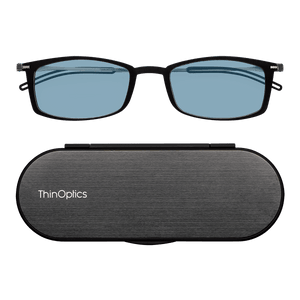
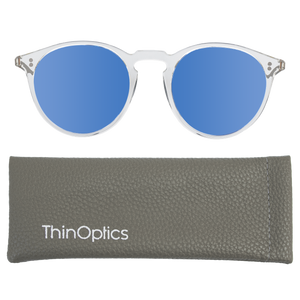
Clear or lightly tinted lenses work best for daytime screen use, office tasks, and video calls. They add a subtle layer of comfort without making colors look noticeably different.
Amber or Stronger Tints
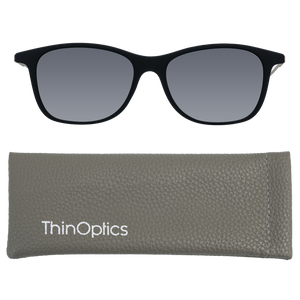
Amber or darker lenses filter more visible blue light, but they can change color perception. Use them more carefully for evening screens, not design work, photo editing, color review, or daytime tasks where accuracy matters.
Once you understand the tint level and how the lenses filter light, it becomes easier to decide whether all-day wear fits your routine.
When All-Day Wear Makes Sense

All-day wear can make sense when blue-light-blocking glasses remove friction from your screen routine.
They are a good fit if:
- You move between a laptop, phone, and tablet all day.
- You forget to put glasses on and take them off.
- You use clear or light-tint lenses that do not affect color much.
- You wear +0.00 lenses or the correct reading strength.
- One consistent pair helps during long screen-heavy blocks.
- The glasses feel comfortable instead of distracting.
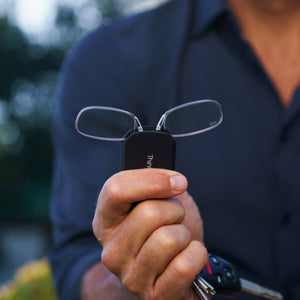
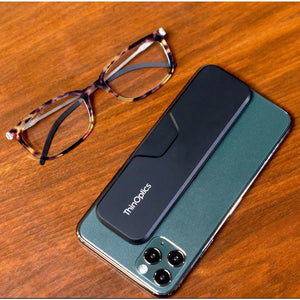
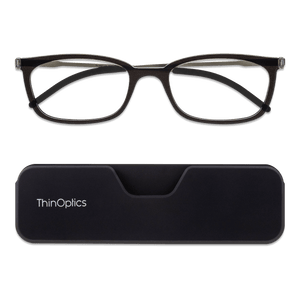
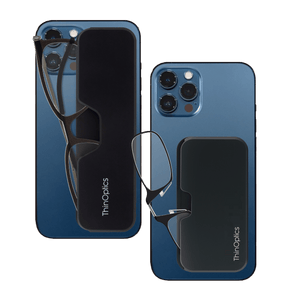
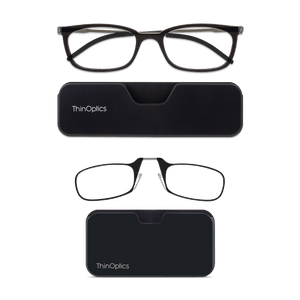
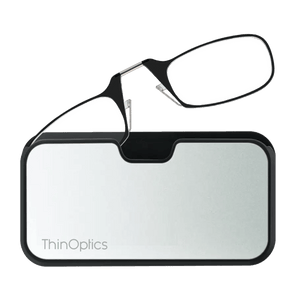
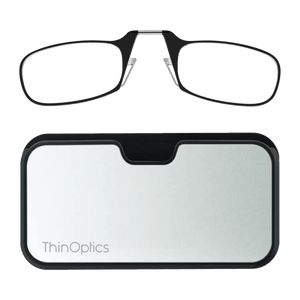
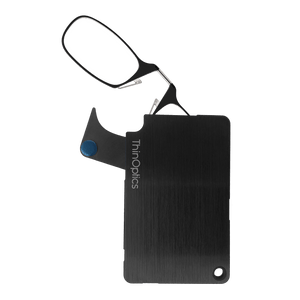
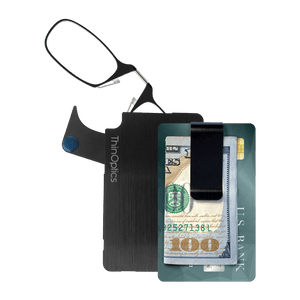
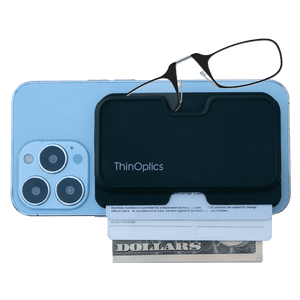
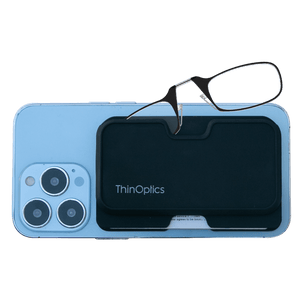
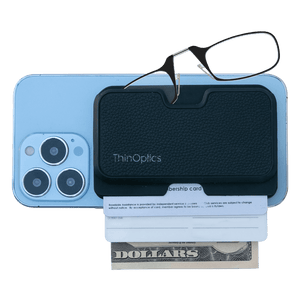
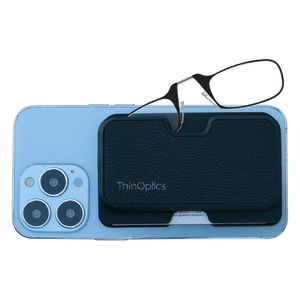
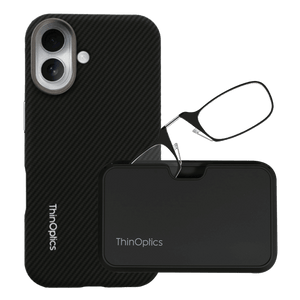
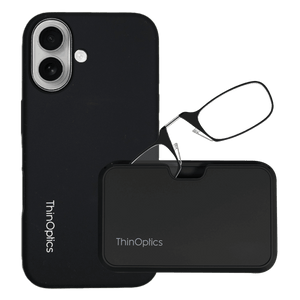
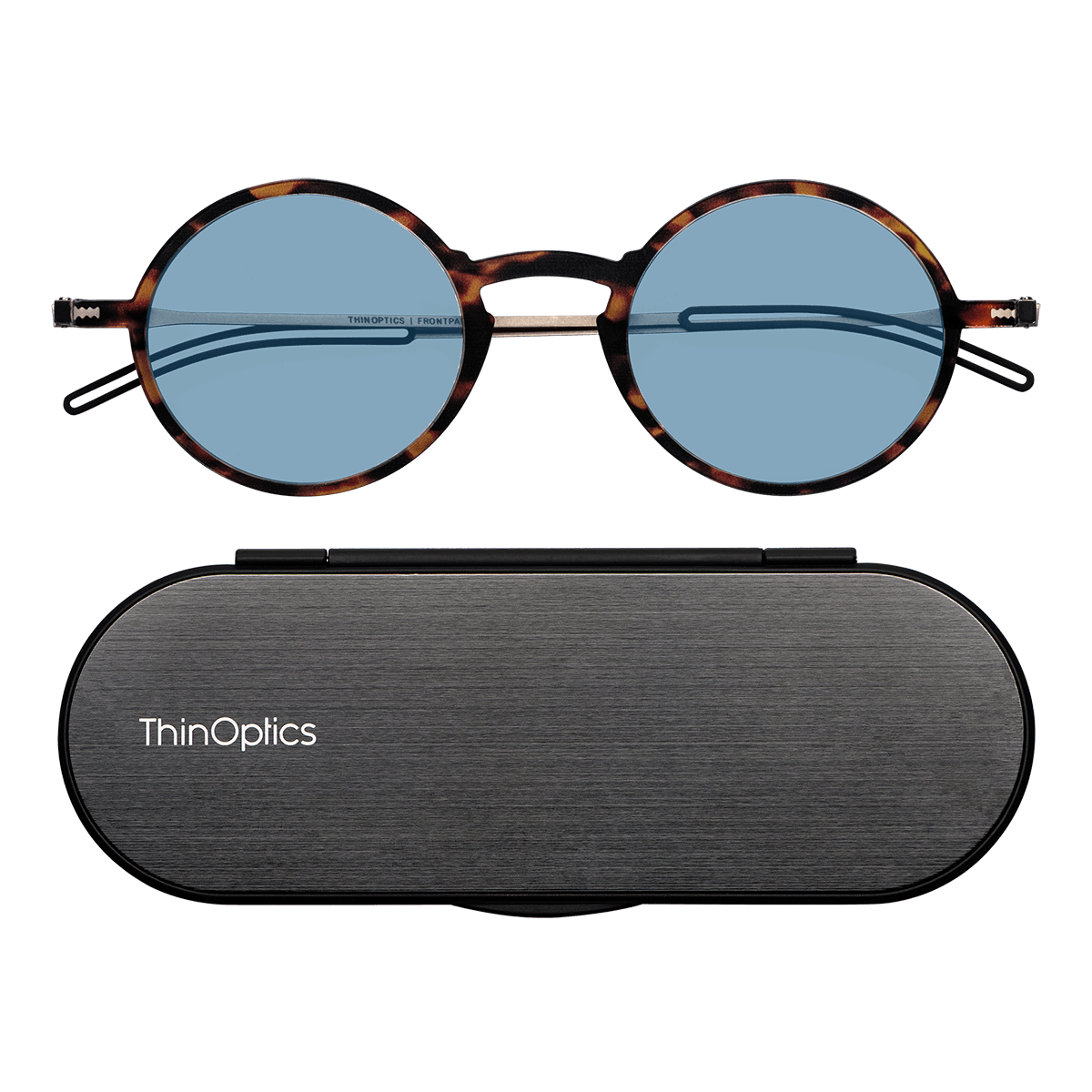
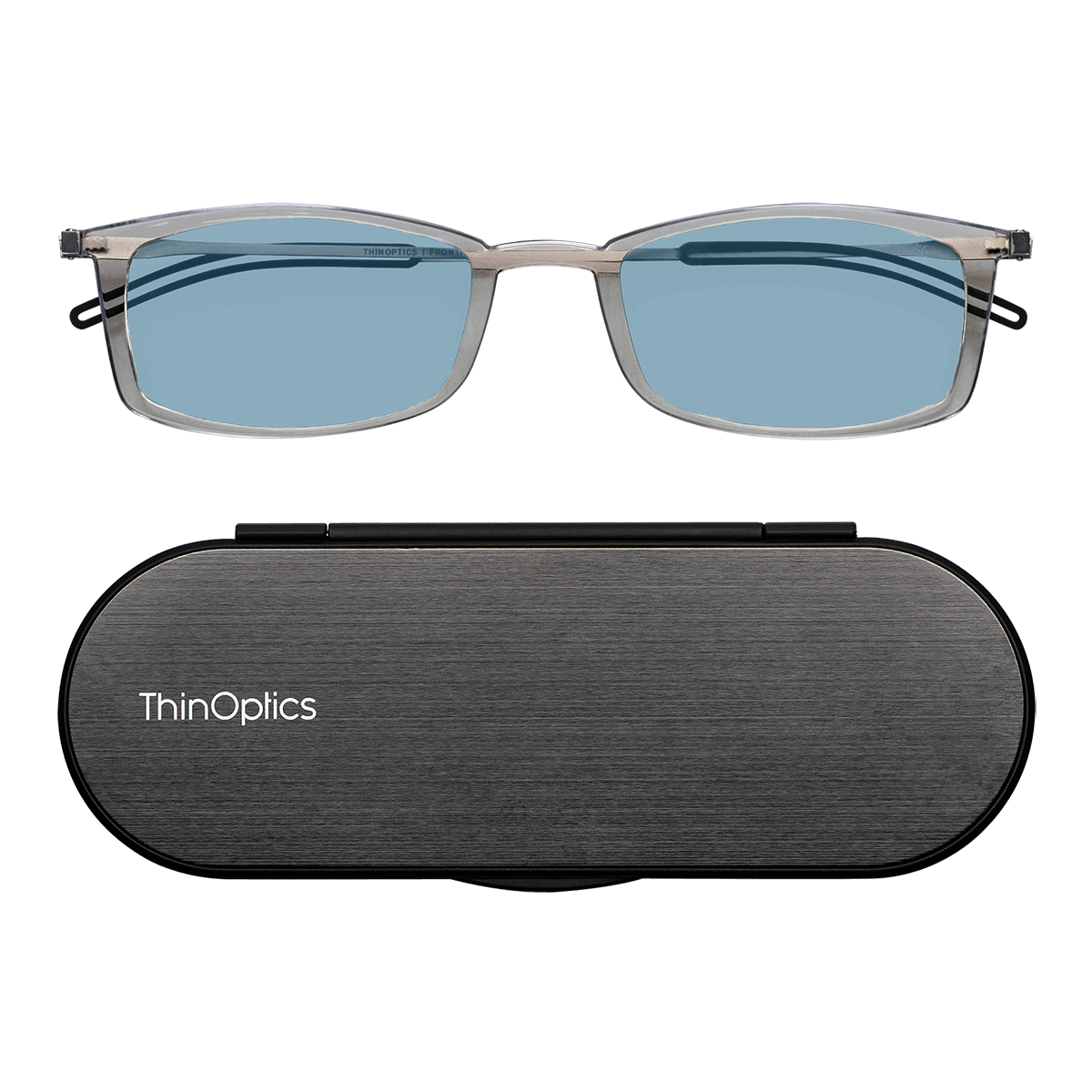
If your main problem is access, ThinOptics blue light readers with slim cases can help keep a pair close to your phone, desk, or bag, making it easier to remember to wear them.

When You May Not Want to Wear Them All Day
All-day wear is not worth forcing. Cut back if:
- Colors look off or muted
- You feel groggy or less alert
- The tint or frame fit causes headaches
- You do color-sensitive work
- Your reading strength feels wrong
- You are using them to delay an eye exam despite ongoing symptoms
Blue light glasses should make screen time feel easier. If discomfort continues, check your setup, lens strength, and vision needs.
Blue Light Glasses and Digital Eye Strain: What They Do Not Fix
Blue light glasses may make screens feel more comfortable for some people, but they do not solve every cause of digital eye strain. Screen discomfort can also come from dry eyes, small text, glare, poor lighting, long near-focus sessions, posture, screen distance, or an outdated prescription. If text looks blurry, the right reading strength may matter more than filtering.
ThinOptics blue-light readers can help when you need both magnification and blue-light filtering during screen-heavy moments.
Your Eyes Blink Less During Screen Time
Focused screen use often means less blinking, which can leave eyes dry or irritated. Short breaks, deliberate blinking, and better room humidity can help.
Close-Up Focus Can Tire the Eye Muscles
Emails, spreadsheets, and phone texts keep your eyes working up close. The right reading strength can reduce squinting and make screen tasks feel easier.
Glare, Brightness, and Poor Lighting Matter
Match screen brightness to the room, enlarge text, and reduce reflections where possible.
Blue-light-blocking glasses work best as part of a smarter screen routine.
Best Times to Wear Blue Light Glasses
Blue light glasses are most useful when they solve a real screen moment, such as:
- Long laptop work blocks
- Evening phone or tablet use
- Video calls under bright indoor lighting
- Reading small digital text with the correct magnification
- Travel days with changing screen brightness and lighting
- Short screen bursts when your glasses are easy to grab
Daytime use is optional. Evening use may matter more if you are trying to reduce nighttime light exposure. ThinOptics blue light readers with slim cases help keep screen support close to your phone, pocket, or bag.
Should You Wear Them All Day?

Use this quick filter to decide whether all-day wear is helping your routine or just adding another thing to manage.
- Yes: If they feel comfortable, are clear or lightly tinted, and help during screen-heavy work.
- Maybe: If you mainly need them for evening scrolling, bright screens, or long laptop sessions.
- No Need: If you do not notice a benefit, or they affect color, alertness, or comfort.
- Get Help: If symptoms persist even after better lighting, breaks, blinking, and changes to screen setup.
For a pair that stays easy to reach, ThinOptics blue light readers can support your screen routine without getting in the way of the rest of your day.
FAQs
Can you wear blue light glasses all day?
Yes, many people can. Let comfort, lens tint, color needs, and screen habits guide how long you wear them.
Are blue light blocking glasses bad for your eyes?
They are not generally considered harmful, but most screen users do not need them for eye health alone.
Do blue light glasses help with eye strain?
They may feel helpful, but breaks, blinking, lighting, screen distance, and the right lens strength often matter more.
Should I wear blue light glasses at night?
They may support evening screen routines, but dimming screens and reducing device use before bed still matter.
Can I wear blue light glasses if I need reading glasses?
Yes, choose the correct reading strength so you are not squinting through the wrong lenses.
Keep Screen Clarity Close With ThinOptics
Blue light glasses can support all-day screen use, but they work best when the basics are handled too: the right reading strength, a comfortable lens tint, better screen habits, and regular breaks.
ThinOptics blue light readers are built for the moments when screens and small text overlap, from phone checks to laptop work to tablet reading. Slim case formats help keep them close, so you are not searching for your glasses when your eyes are already tired. Choose the pair that fits your screen routine and keep clarity within reach throughout the day.
Explore ThinOptics blue light readers and keep clarity close wherever screen time finds you.